

THE LOUDNESS WAR
HOW VOLUME CHANGED THE WAY WE HEAR MUSIC
The Loudness War began in the late 1980s and accelerated through the 1990s and early 2000s during the peak of the CD era. As digital formats replaced vinyl, mastering engineers were given new headroom to push tracks louder than ever before. The logic was simple: louder songs sounded more powerful, more immediate, and more attention-grabbing.
In competitive environments like radio, clubs, and later early MP3 players, perceived loudness became an advantage. Producers and labels began increasing average volume levels using aggressive audio compression and limiting, reducing the difference between quiet and loud moments in a track. This reduction in dynamic range created music that felt constant, dense, and upfront.
At first, the effect was exciting. Songs hit harder. Hooks arrived faster. Everything felt amplified.
But something changed.

WHAT IS THE LOUDNESS WAR?
At its core, the Loudness War refers to the practice of mastering music at increasingly higher volumes to compete for attention. By compressing the dynamic range, engineers could raise the overall loudness without technically distorting the waveform.
The result was music that appeared bigger on small speakers and car stereos. However, the trade-off was significant:
Reduced dynamic contrast
Flattened transients
Less spatial depth
Increased listening fatigue
When everything is loud, nothing feels loud. When quiet moments disappear, impact disappears with them.

DYNAMIC RANGE & WHY IT MATTERS
Dynamic range is the difference between the softest and loudest parts of a recording. It’s what gives music tension, breath, and emotional movement.
In high-fidelity listening environments, dynamic range becomes immediately noticeable. A track with strong dynamics expands into the room. Space exists between instruments. Silence carries weight. Crescendos feel earned.
During the height of the Loudness War, many albums sacrificed this range for constant intensity. Tracks were pushed to digital limits, often clipping or distorting subtly. While the music felt immediate, it lost nuance.
This shift changed not just production techniques, but how listeners experienced sound.

CD ERA VS VINYL | A TURNING POINT
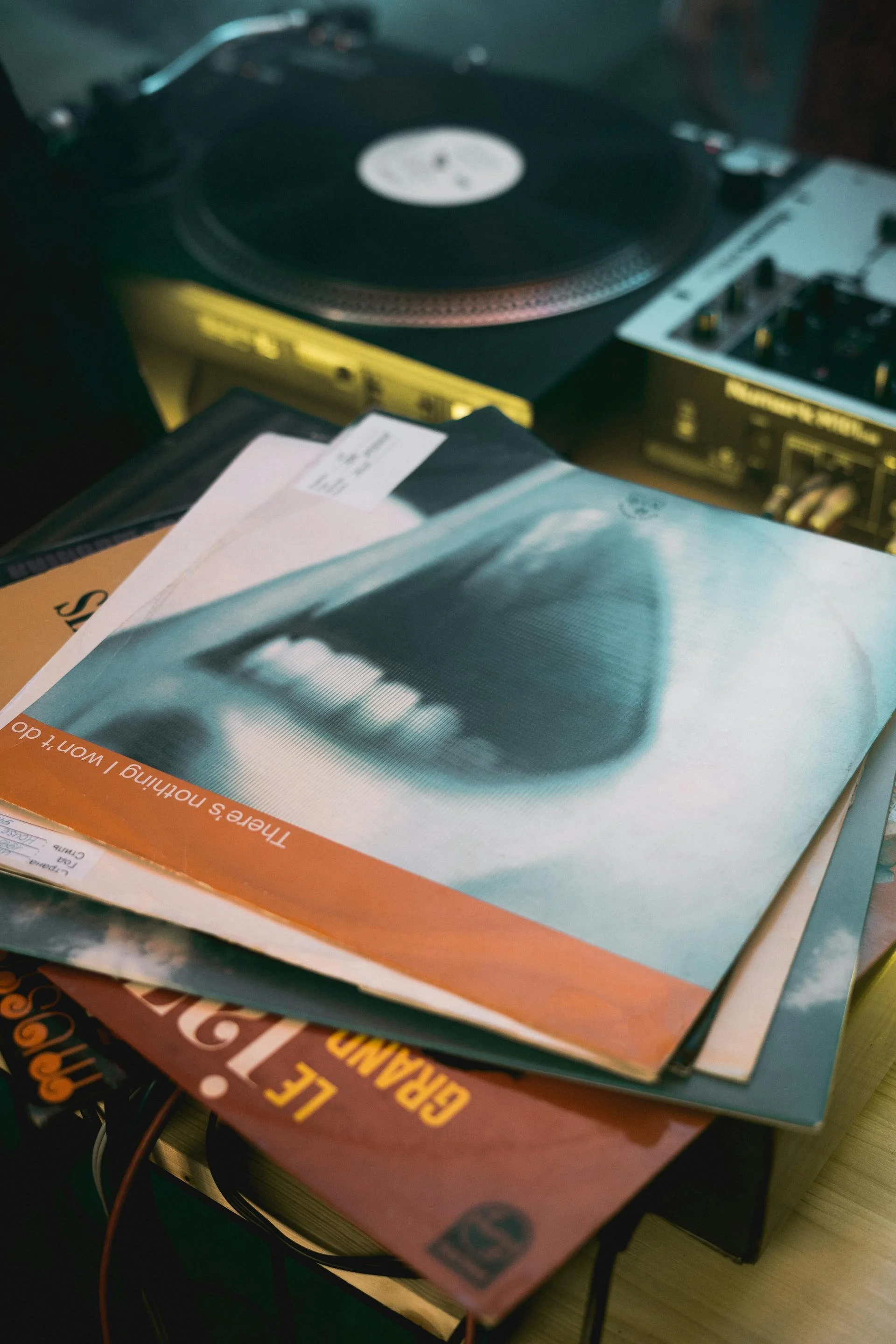
Vinyl physically limits how loud a record can be cut. Too much compression or excessive low-end can cause the needle to jump or distort. As a result, vinyl mastering historically preserved more natural dynamics.
The CD format removed many of those physical constraints. Digital mastering allowed higher average loudness levels without the same mechanical consequences. The temptation to maximise volume was built into the format itself.
The debate around vinyl vs digital sound quality is often emotional, but part of the vinyl resurgence is tied directly to this period. Many listeners rediscovered records not only for their warmth, but for their preserved dynamic range.
Ironically, streaming platforms helped curb the Loudness War. Services like Spotify and Apple Music introduced loudness normalisation, meaning tracks are automatically adjusted to a consistent playback level.
If a song is mastered extremely loud, the platform simply turns it down. The competitive advantage disappears.
This shift has encouraged producers to return to more balanced mastering approaches. Dynamic range is slowly being valued again. Space is returning.
STREAMING & THE END OF THE WAR?
WHY IT STILL MATTERS?
The Loudness War was not just a technical trend. It shaped how a generation experienced music.
Constant loudness trained ears toward intensity. Subtlety became harder to notice. Albums were consumed faster. Listening became background.
In high-fidelity spaces, the difference is clear. Music with preserved dynamics breathes. It moves. It creates tension and release. It invites attention rather than demanding it.
Understanding the Loudness War is understanding why clarity, balance, and restraint matter. Not because louder is bad, but because contrast is essential.
Sound is not about maximum volume.
It’s about range.