
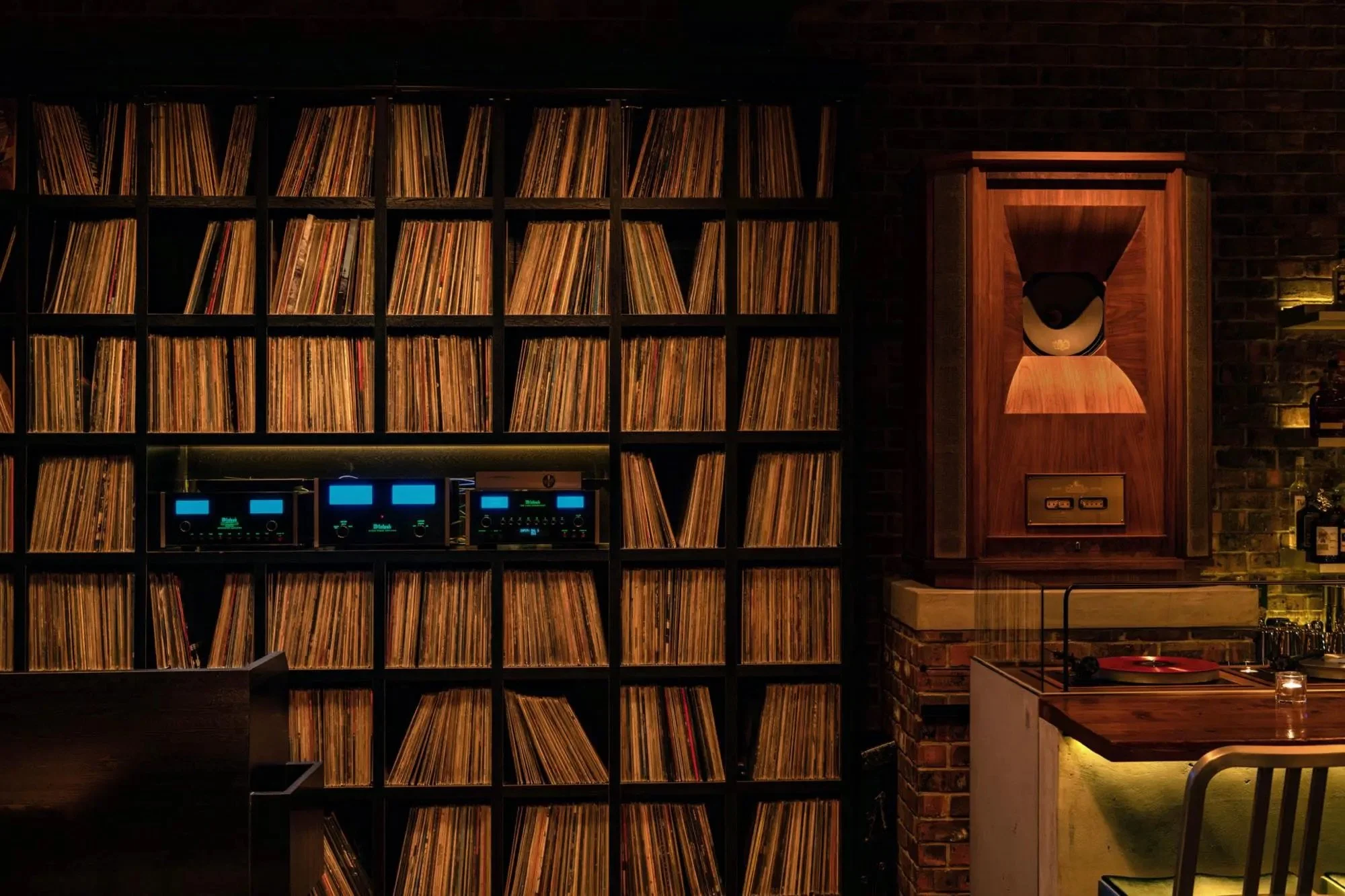
THE ART OF LISTENING - FROM TOKYO TO TODAY
There’s a quiet power in giving music your full attention — a practice that shaped Japan’s listening culture long before the rest of the world caught on. The story begins in Tokyo, where the simple act of sitting with sound eventually became a defining part of the city’s underground identity, and the blueprint for what we now recognise as the modern hi-fi listening bar.
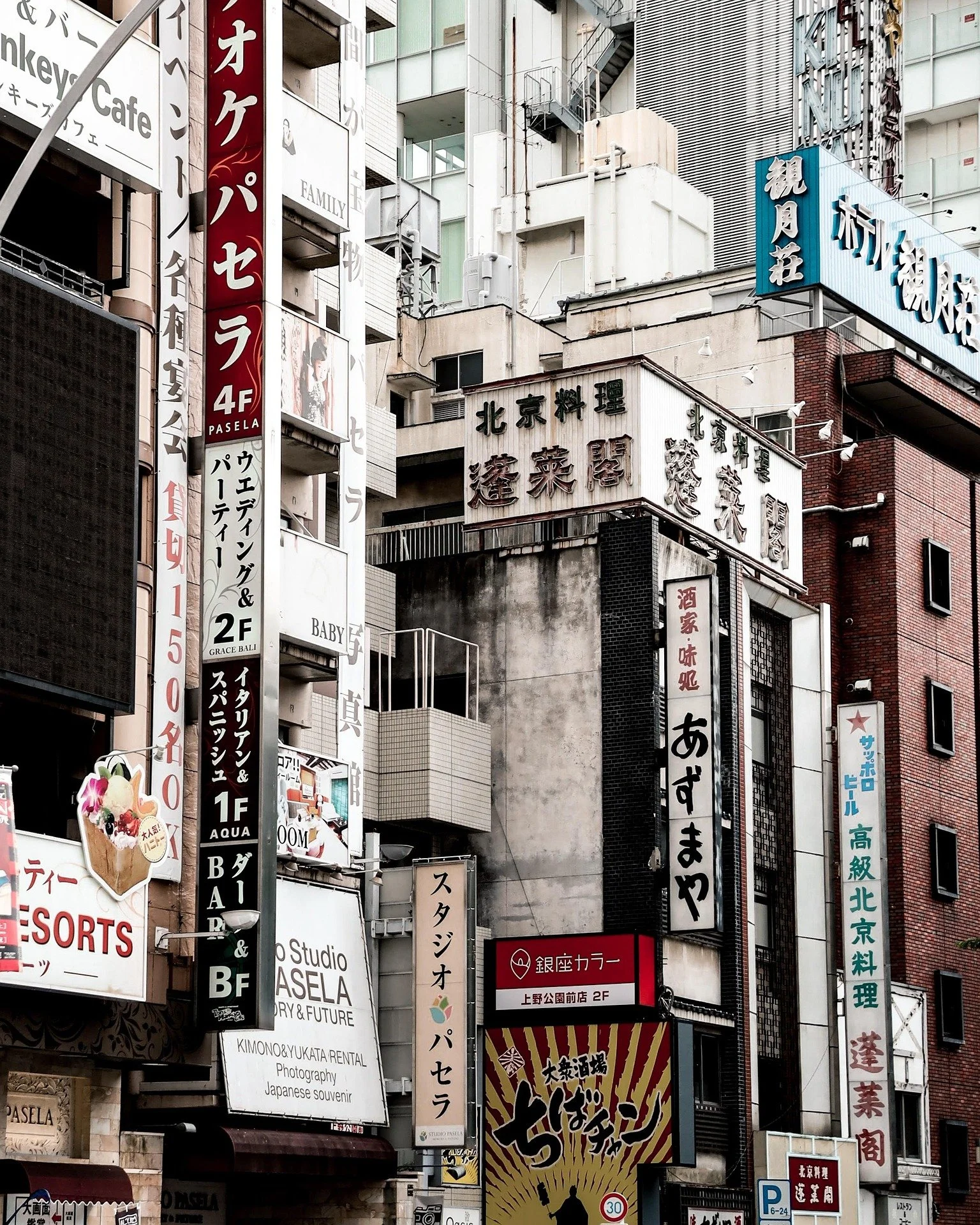
TOKYO: WHERE LISTENING BECOMES A RITUAL
In early 20th-century Japan, music cafés emerged as rare portals into Western recordings. They weren’t built for conversation or nightlife; they were built for immersion. Over time, these cafés evolved into jazz kissa — small, dimly lit rooms where records played like sermons. Patrons settled into their seats not to socialise but to listen. Album sides flowed uninterrupted. The room adjusted itself around the sound, not the other way around.
One of the earliest dedicated jazz cafés — often cited as a starting marker — was Blackbird in the late 1920s. It set a tone that would define the decades to come: curated music, careful atmosphere, and an almost cinematic approach to how records were played.
Through the ’60s and ’70s, jazz kissa multiplied across Tokyo. Each had its own character: some strict and reverential, others more relaxed but still anchored in the same idea — music first, everything else second. These early spaces became the spiritual origin of the vinyl bar and the deeper listening-bar culture that would later travel the world.
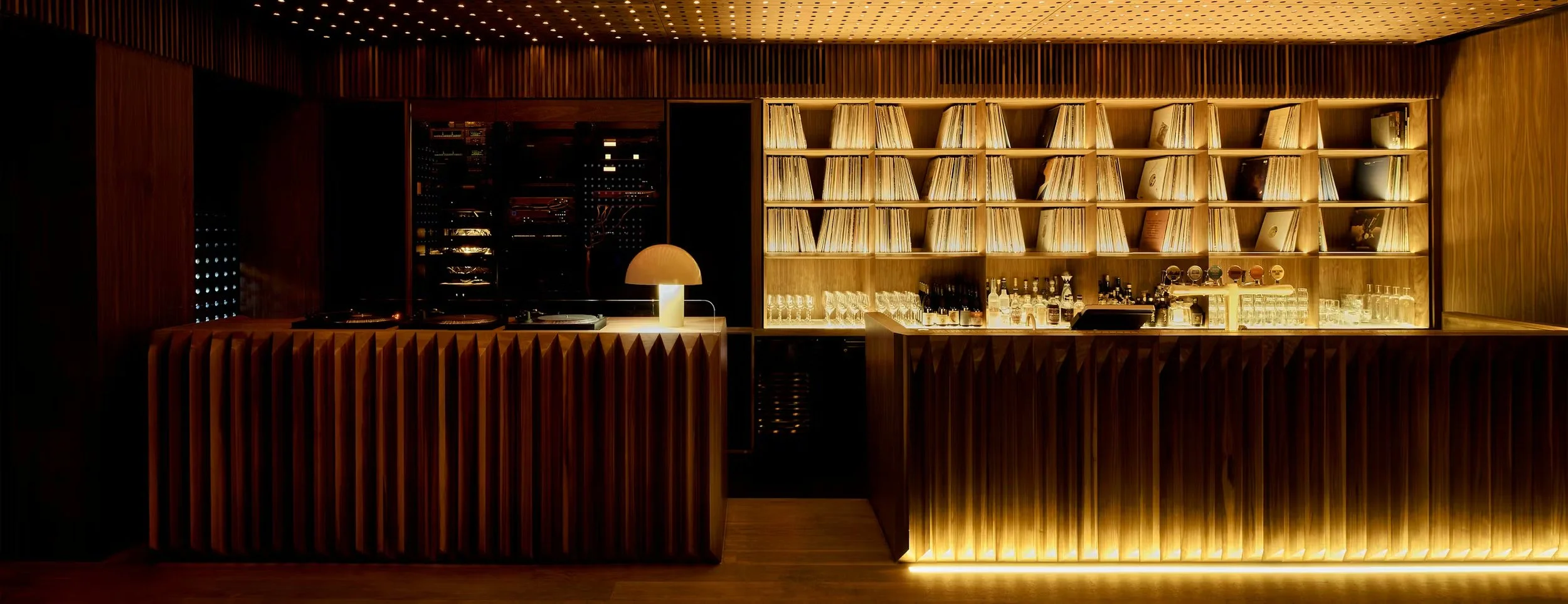
INSIDE THE LISTENING BAR
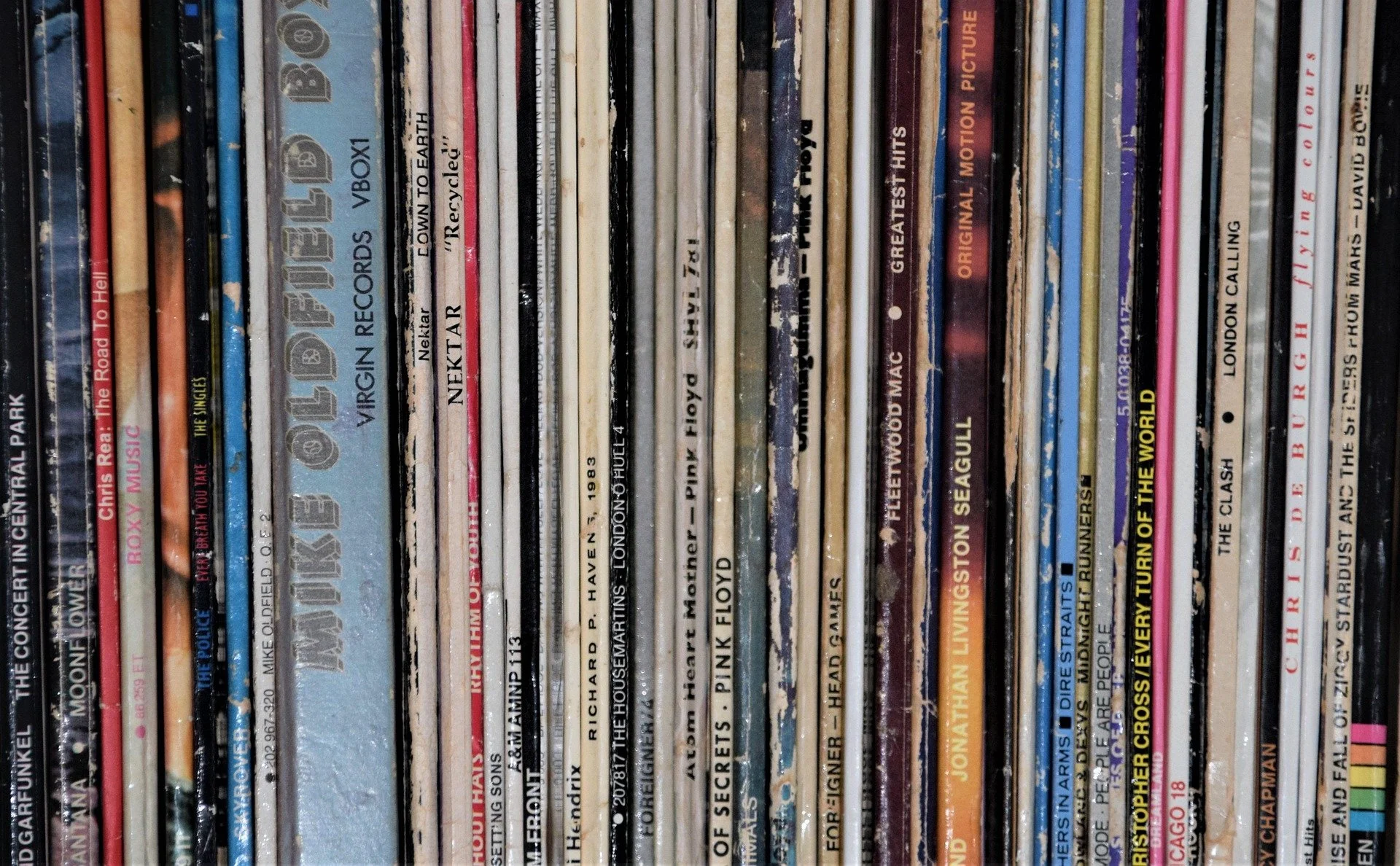
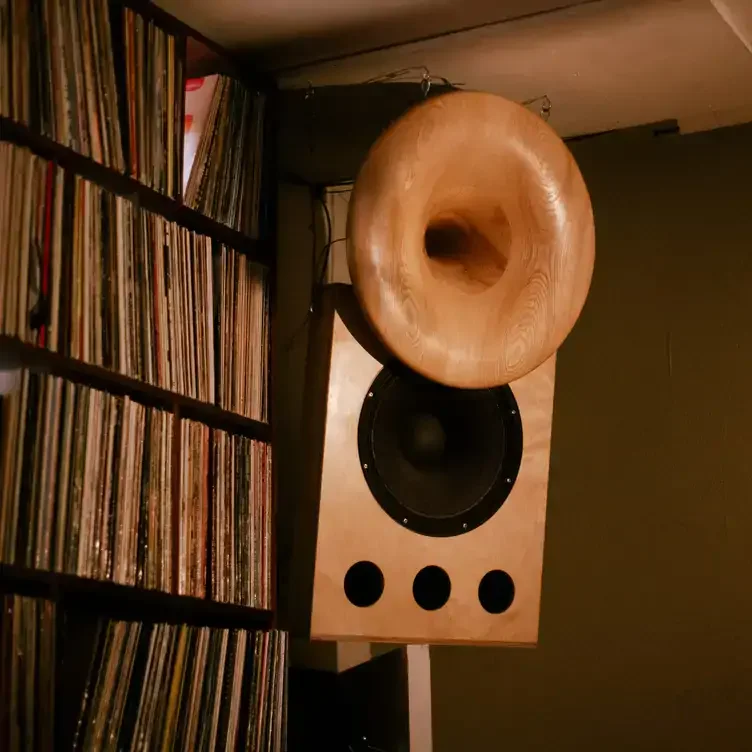
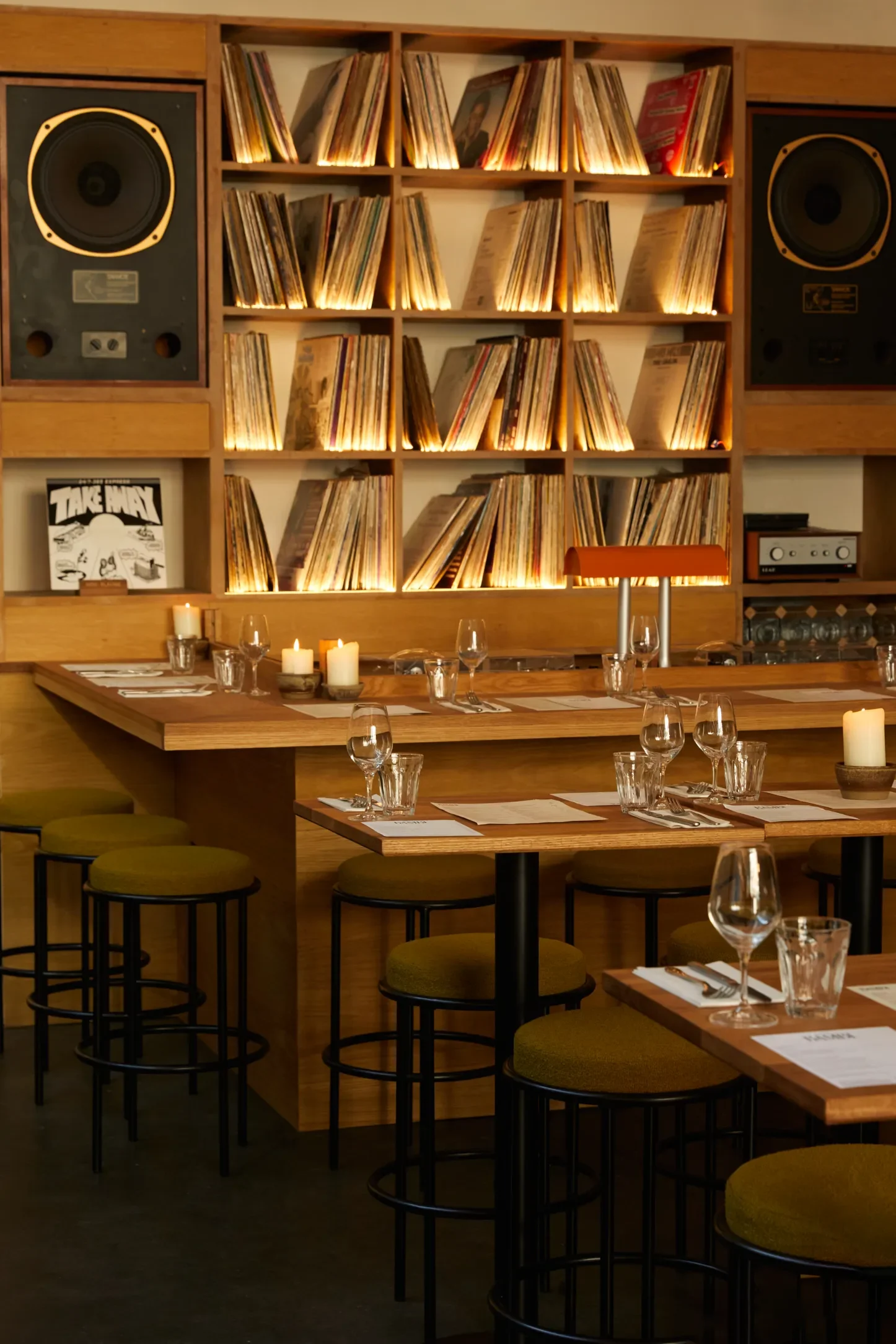
Walk into one of these rooms and the atmosphere shifts instantly. Shelves of vinyl line the walls, curated slowly over decades. Lighting stays low, helping the ear take the lead. Conversation exists, but softer, shaped by a collective understanding that the record matters more than the chatter.
A true hi-fi listening experience isn’t about nostalgia — it’s about intention. With a high-quality hi-fi system, the smallest details come forward: the warmth of the mix, the air between instruments, the soft crackle that marks each record’s life. You’re not there to “pass time.” You’re there to experience a piece of music from its first breath to its final fade — the original form of the curated listening session.
THE IDEA LEAVES TOKYO
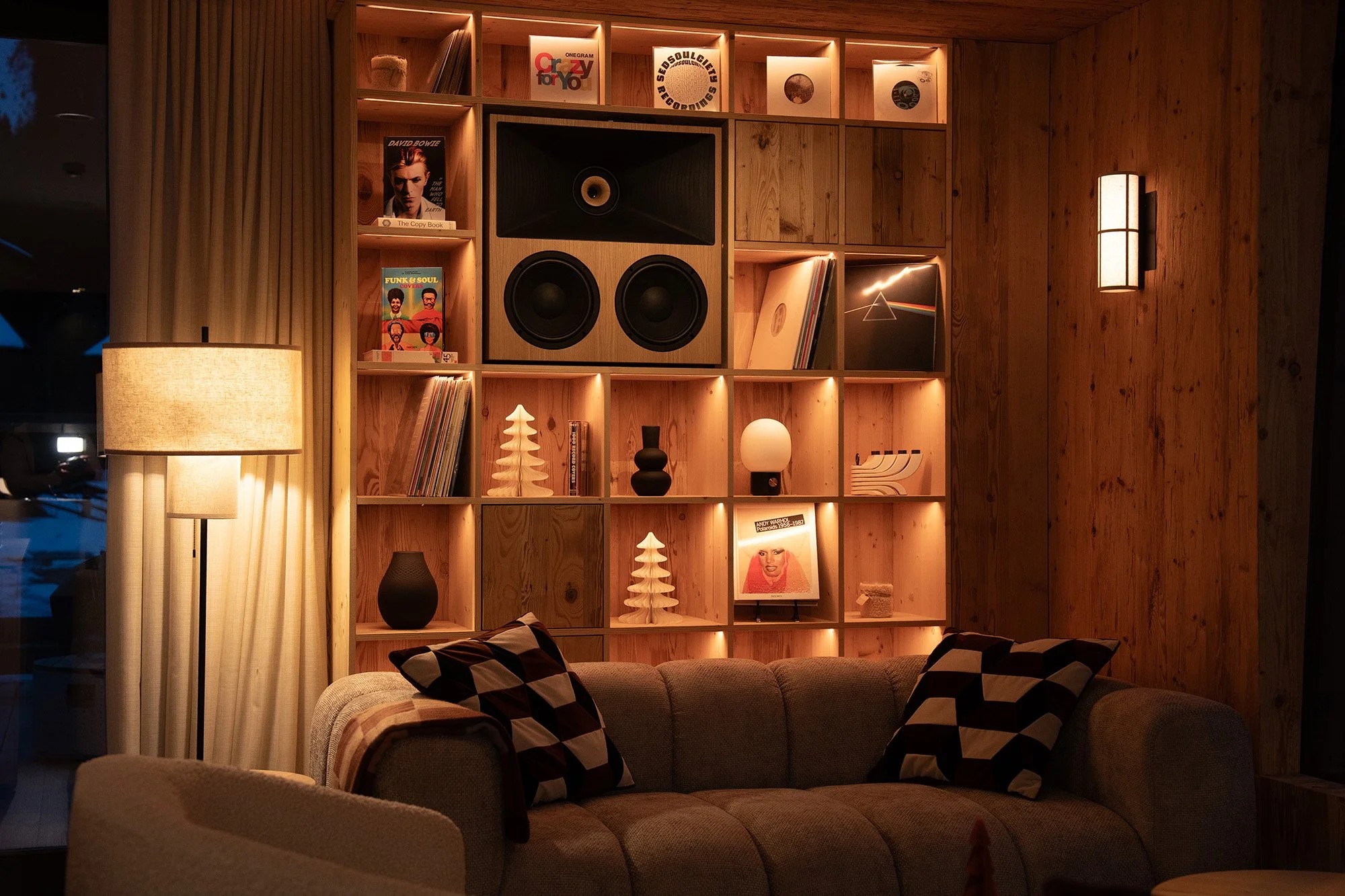
In the last decade, the listening-bar concept has travelled widely. As nightlife grew louder and digital life accelerated, people began seeking spaces that offered slowness, focus and texture. Cities from London to New York, Mexico City to Barcelona have opened their own interpretations: rooms where vinyl collections set the mood, where the sound shapes the night, where the energy is intimate rather than performative.
Some bars pair deep listening with food; some lean into modern design; others operate as neighbourhood hideouts or cultural spaces. But they all share a respect for music as the main attraction — a natural evolution of the kissa tradition and a sign of how deeply the world now values these deep listening spaces.
AND TODAY…
Listening bars resonate today because they offer something increasingly rare: uninterrupted attention. In an age of skipping, swiping and infinite choice, these rooms remind us what it feels like to be present with a single album. They invite stillness. They reward patience. And they shift the social dynamic from noise to nuance.
People aren’t just looking for places to drink — they’re looking for places to feel. Spaces where sound carries weight, where detail matters, where music becomes an experience again. The listening bar meets that need quietly, without spectacle.