
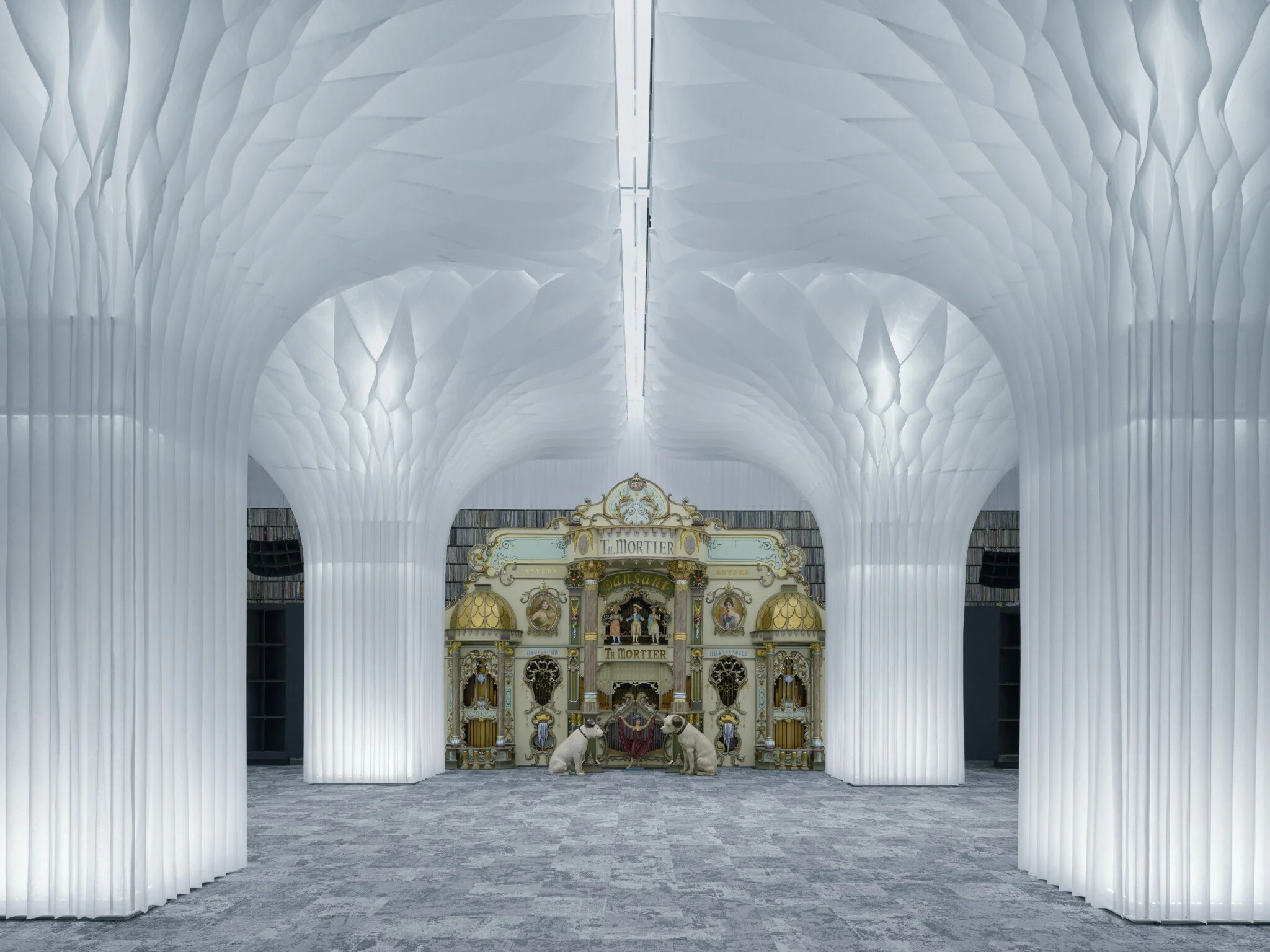
AUDEUM | THE WORLD’S FIRST AUDIO MUSEUM
In a world dominated by visual culture, Audeum — the audio museum in Seoul, South Korea — pushes back by placing sound at the centre of human experience. Opened in 2024 and designed by legendary architect Kengo Kuma & Associates, Audeum is widely regarded as the world’s first museum dedicated exclusively to sound and audio culture. More than a collection of objects, it is a fully immersive space where visitors engage with history, technology, architecture, and the emotional power of sound itself.
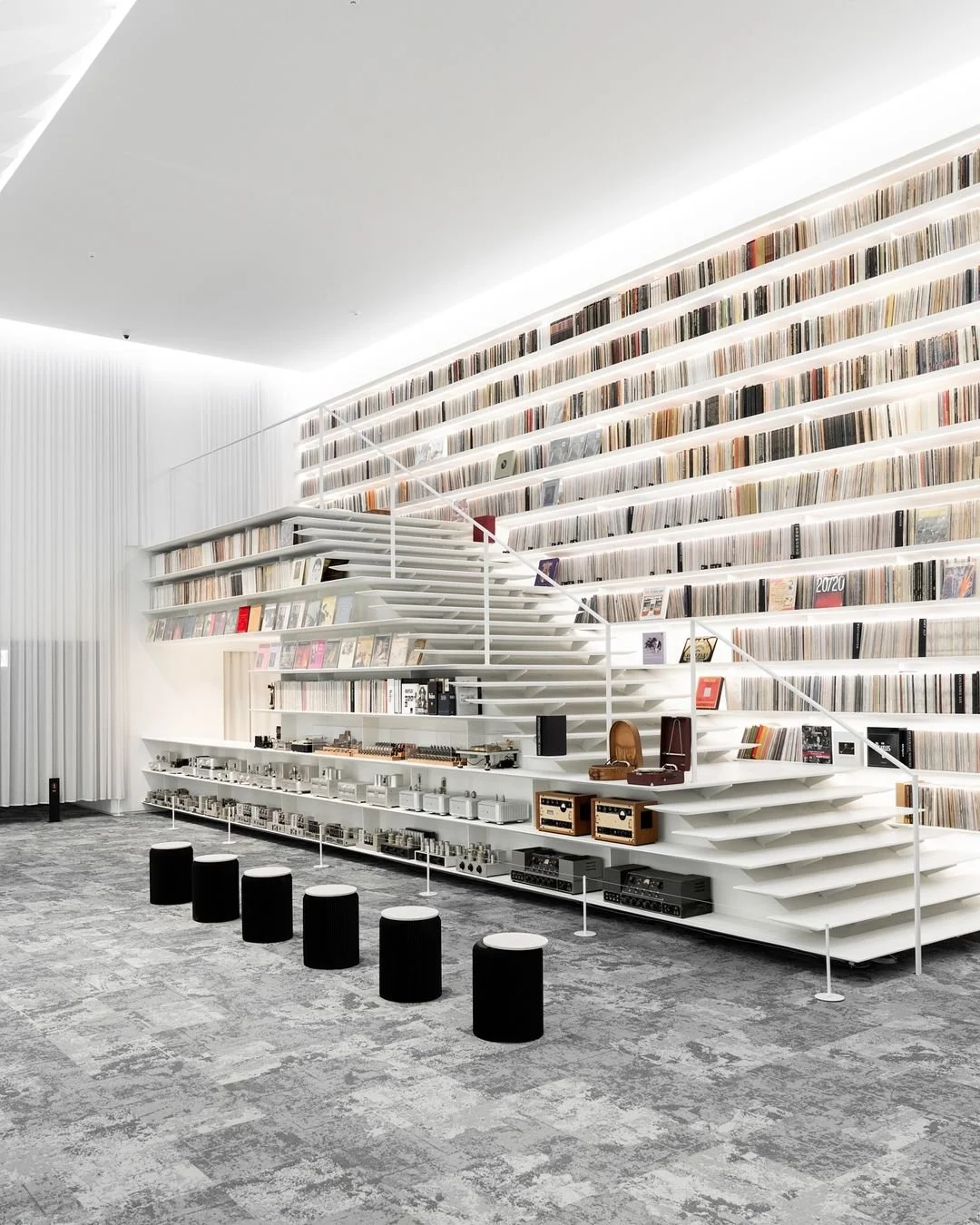
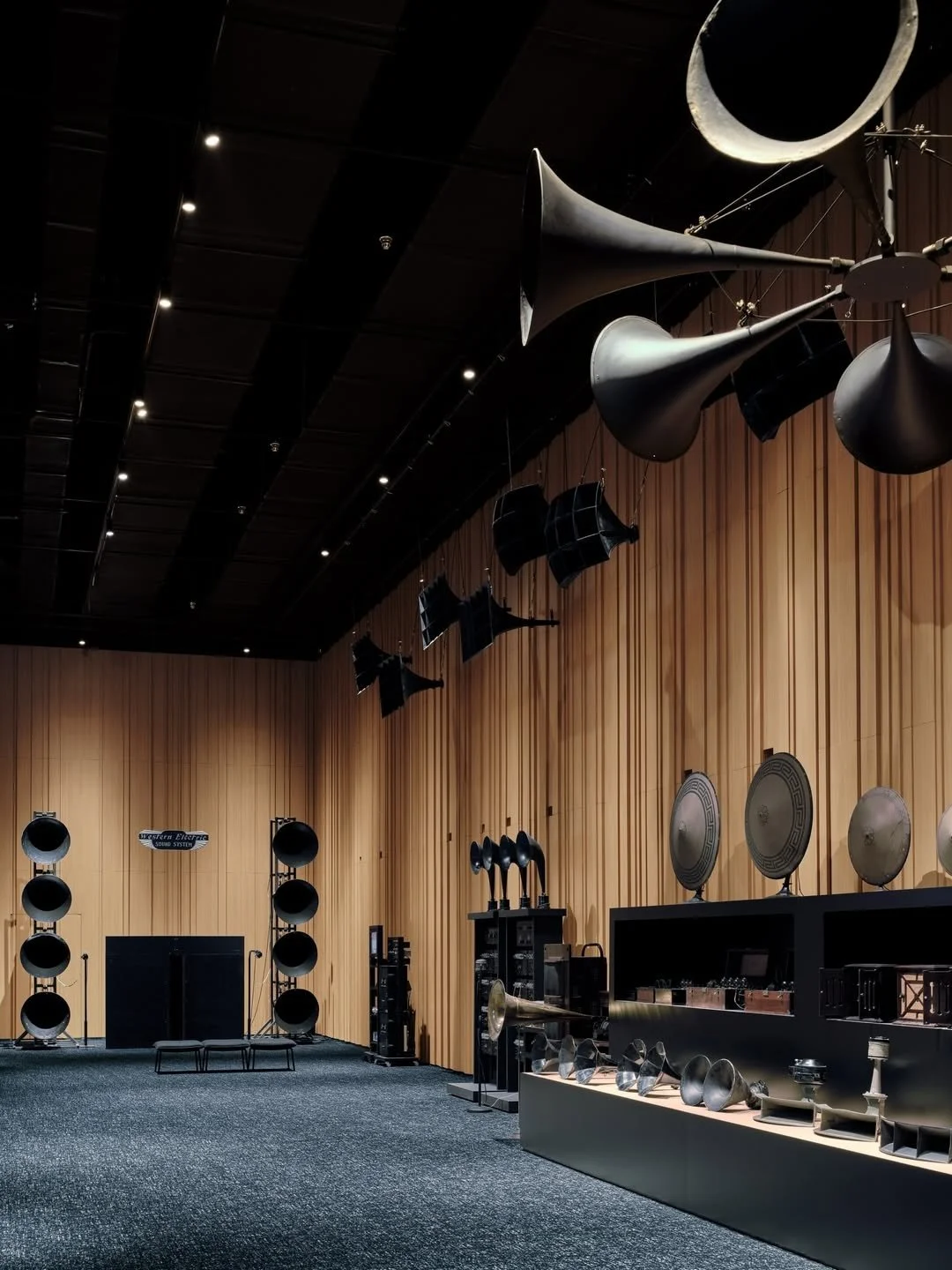
A MUSEUM BUILT FOR SOUND, NOT JUST FOR SIGHT
Unlike traditional museums, Audeum was conceived from the outset as a space where listening — not looking — becomes the primary mode of engagement. Its exterior, wrapped in 20,000 vertical aluminium pipes, evokes organic forms and mimics the filtering of light through a forest, creating dynamic shadows that shift with weather and season. This sculptural façade is more than decoration — it positions sound as a spatial phenomenon, blurring the lines between nature and built environment.
Inside, the sensory experience expands. Warm materials like Alaska cypress wood and acoustically considered finishes support a series of curated listening environments. Instead of simply displaying exhibits, Audeum guides visitors through acoustically engineered spaces designed to heighten perception of tone, texture, and resonance. The transition from harsh exterior aluminium to soft interior wood creates a tactile journey that reflects the museum’s mission: to reconnect people with the physical and emotional experience of sound.
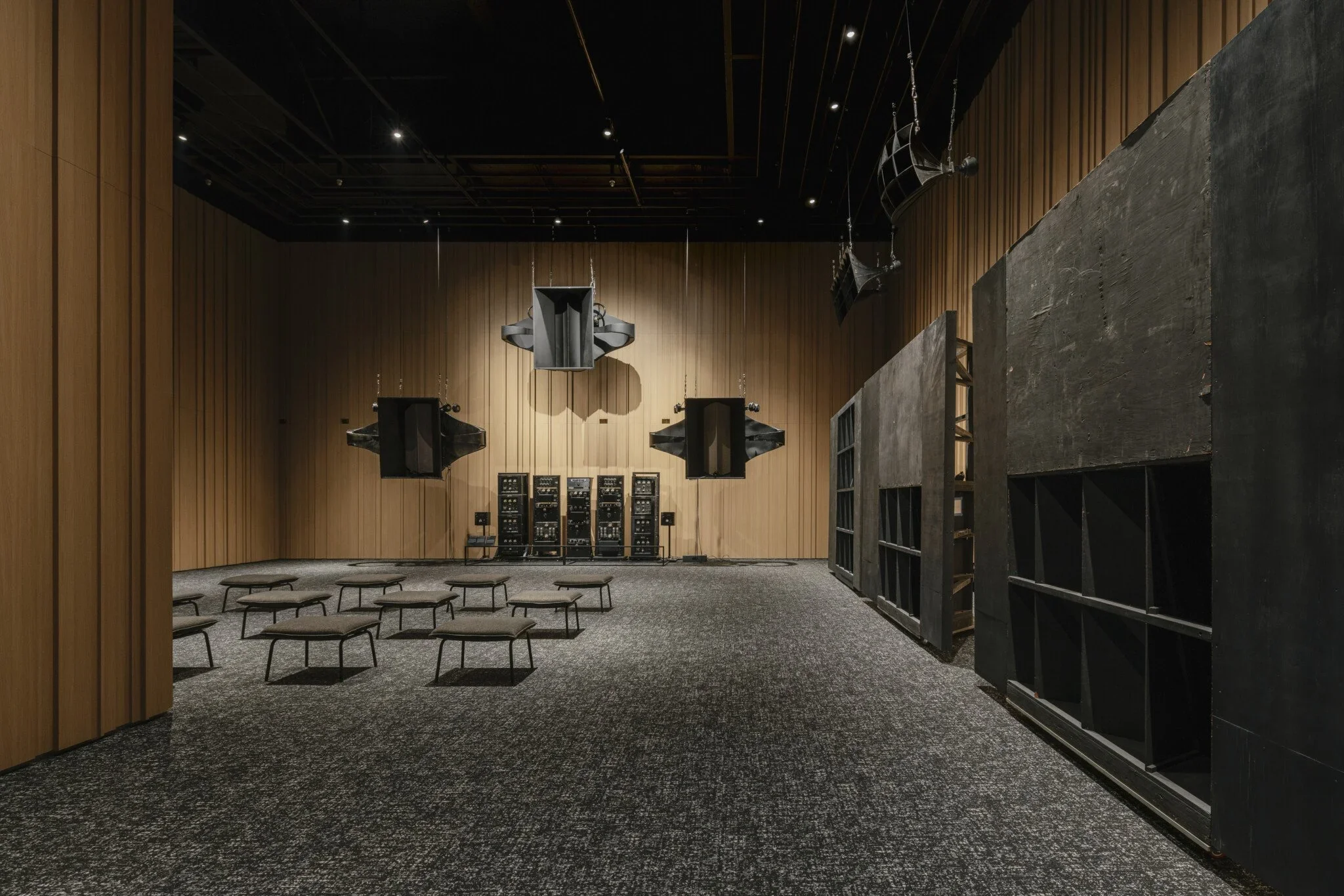
A LIVING ARCHIVE OF AUDIO TECHNOLOGY
At its core, Audeum is a museum of audio history and technology, housing a remarkable collection that spans more than 150 years of sound reproduction innovation. From early Edison phonographs and vintage loudspeakers to rare cinema sound systems used in the dawn of talking pictures, the museum chronicles the evolution of audio technology in a way that emphasises both cultural context and technological achievement.
One of the museum’s permanent exhibitions, Jung Eum: In Search of Sound, explores the concept of “good sound” — tracing the pursuit of high-fidelity (hi-fi) audio from analogue beginnings to modern acoustic research. This focus on hi-fi and dynamic sound appeals not only to audiophiles but also to anyone curious about how sound shapes our emotional and cultural lives.
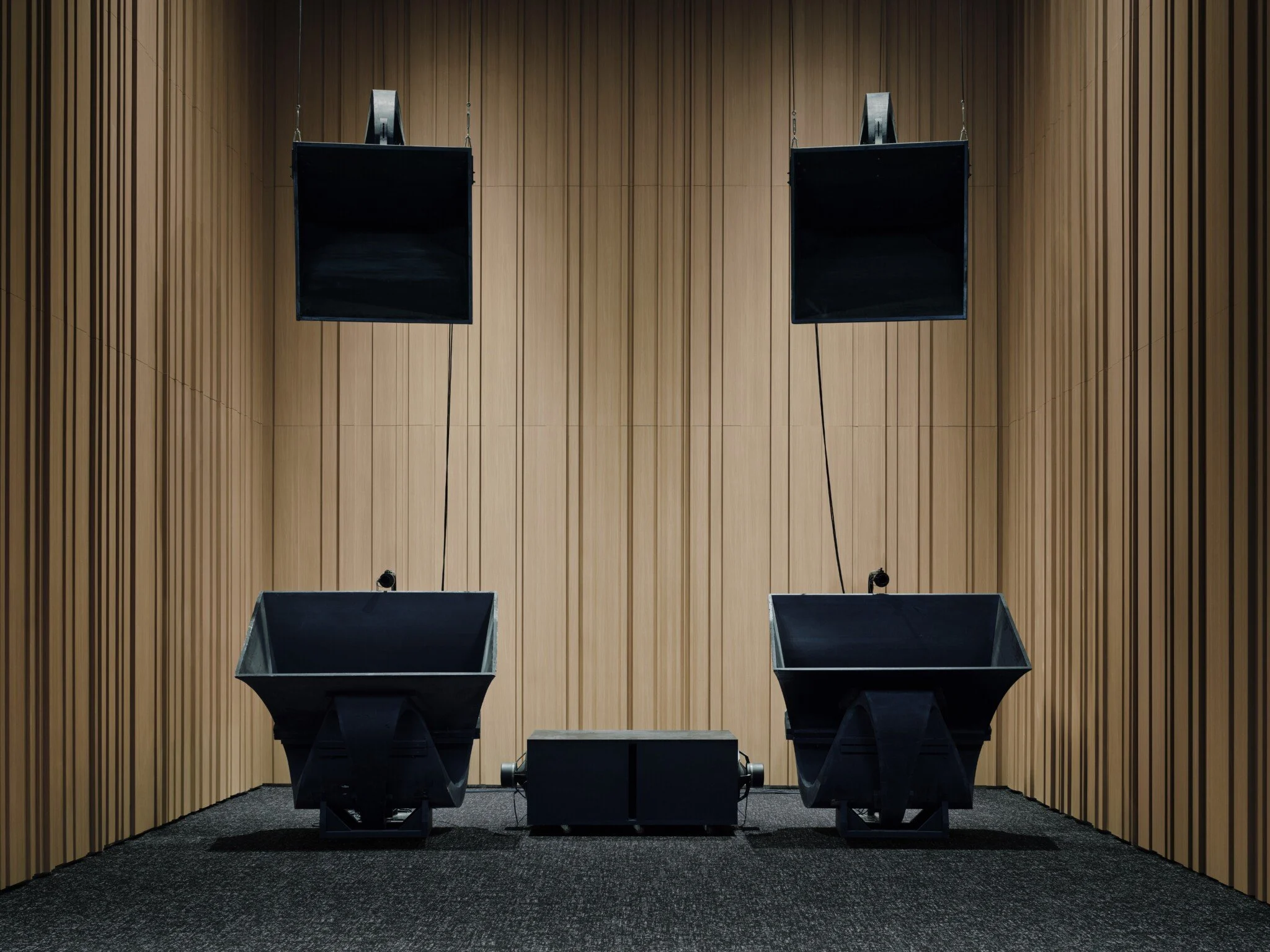
ARCHITECTURE AS A SENSORIAL INSTRUMENT
Kengo Kuma’s architecture at Audeum does more than house exhibits — it performs like an instrument. The random yet rhythmic arrangement of aluminium pipes creates an interplay of light, shadow, and sound that changes throughout the day, encouraging visitors to experience the environment with multiple senses. The building’s interior transitions from robust stone and metal to soft wood and fabric, reinforcing a narrative of sensory emergence as visitors move deeper into the space.
Kengo Kuma’s architecture at Audeum does more than house exhibits — it performs like an instrument. The random yet rhythmic arrangement of aluminium pipes creates an interplay of light, shadow, and sound that changes throughout the day, encouraging visitors to experience the environment with multiple senses. The building’s interior transitions from robust stone and metal to soft wood and fabric, reinforcing a narrative of sensory emergence as visitors move deeper into the space.
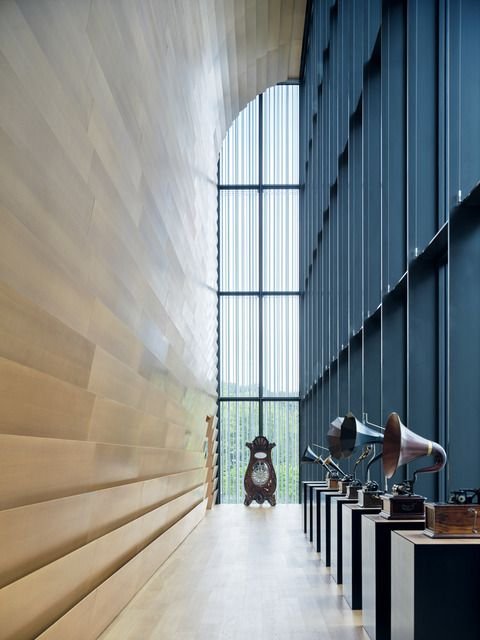
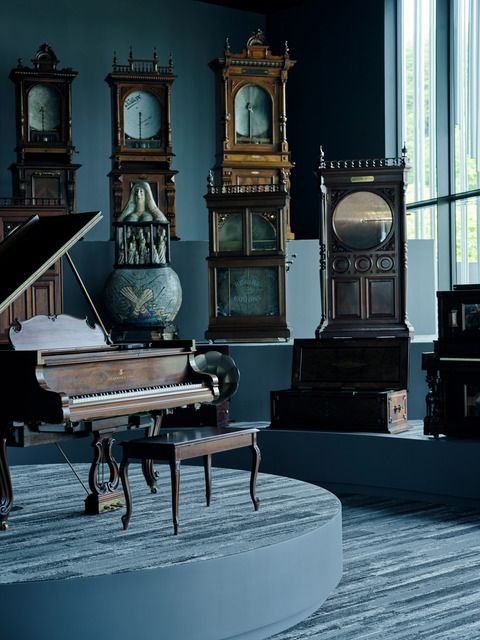
IAudeum’s innovative combination of architecture, audio heritage, and sensory engagement has earned global recognition. In 2025, it received the Special Prize for Interior in the world’s most beautiful museums category at the Prix Versailles, highlighting its aesthetic and experiential achievements in museum design.
More than a cultural attraction in Seoul’s Gangnam district, Audeum represents a new direction for museums and cultural institutions. In an era where visual media dominates, it invites a rethink of how we engage with art, history, and technology — not by looking, but by truly listening.
Images courtesy of Audeum