10 ALBUMS THAT CHANGED THE WORLD
Music has always been about more than sound — it’s about movement, culture, and emotion vibrating through time.
Some albums don’t just capture a moment; they create one. They alter the shape of sound, rewire the collective ear, and change how we experience music itself.
At B-Side, our hi-fi listening bar in the Dolomites, we live for moments like these — when sound becomes story, and fidelity becomes feeling.
Here are ten albums that didn’t just make history — they changed the way the world listens.
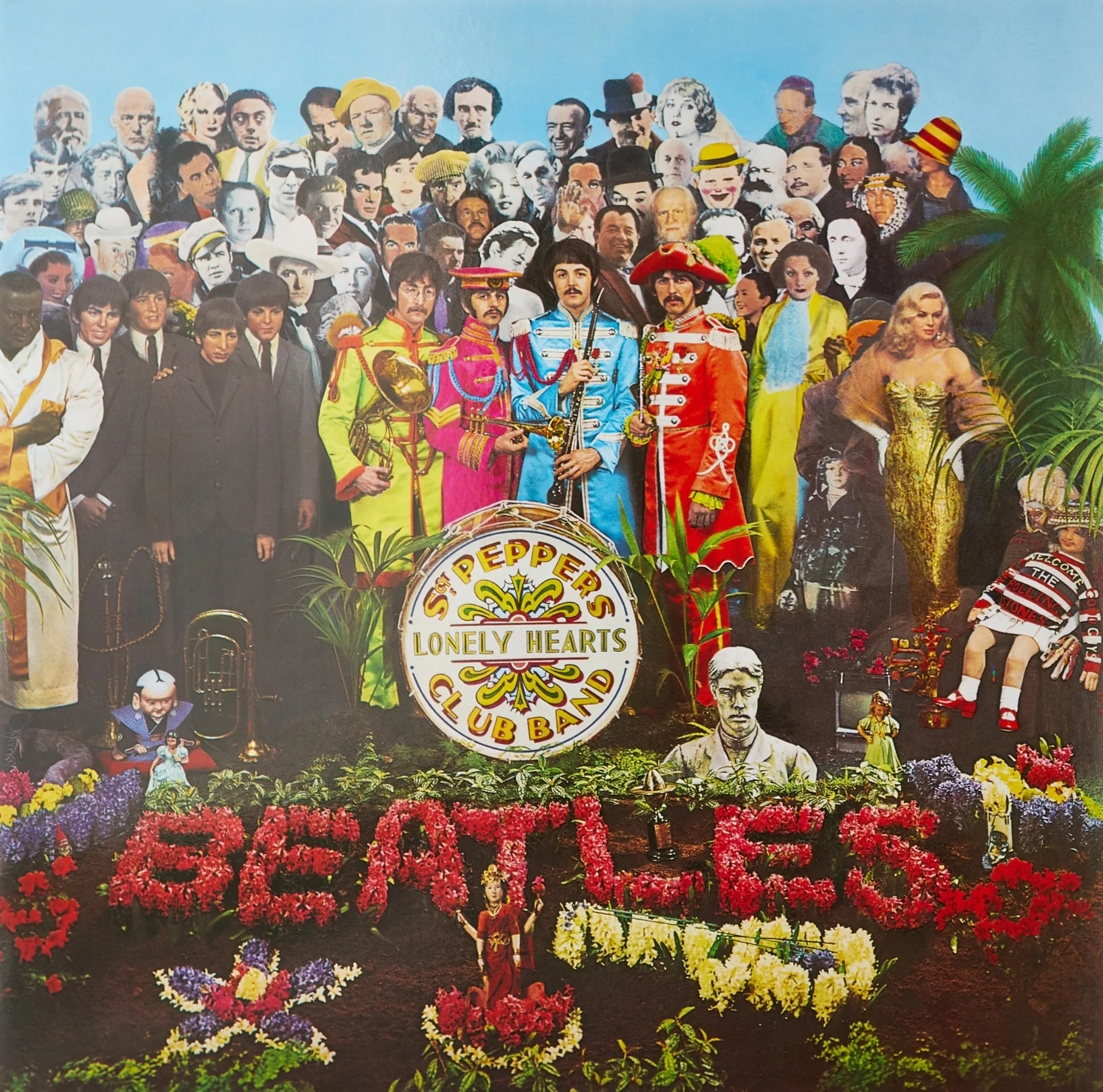
1. Sgt. Pepper’s Lonely Hearts Club Band — The Beatles
(1967)
A kaleidoscope pressed into vinyl. The Beatles abandoned convention and built something cinematic: orchestral pop, playful surrealism, and meticulous production. In a true hi-fi listening experience, this record becomes immersive — each harmony and string line placed with architectural precision.
Without this album, there would be no: psych-pop renaissance, concept-album culture, or the modern idea of the studio as an instrument.
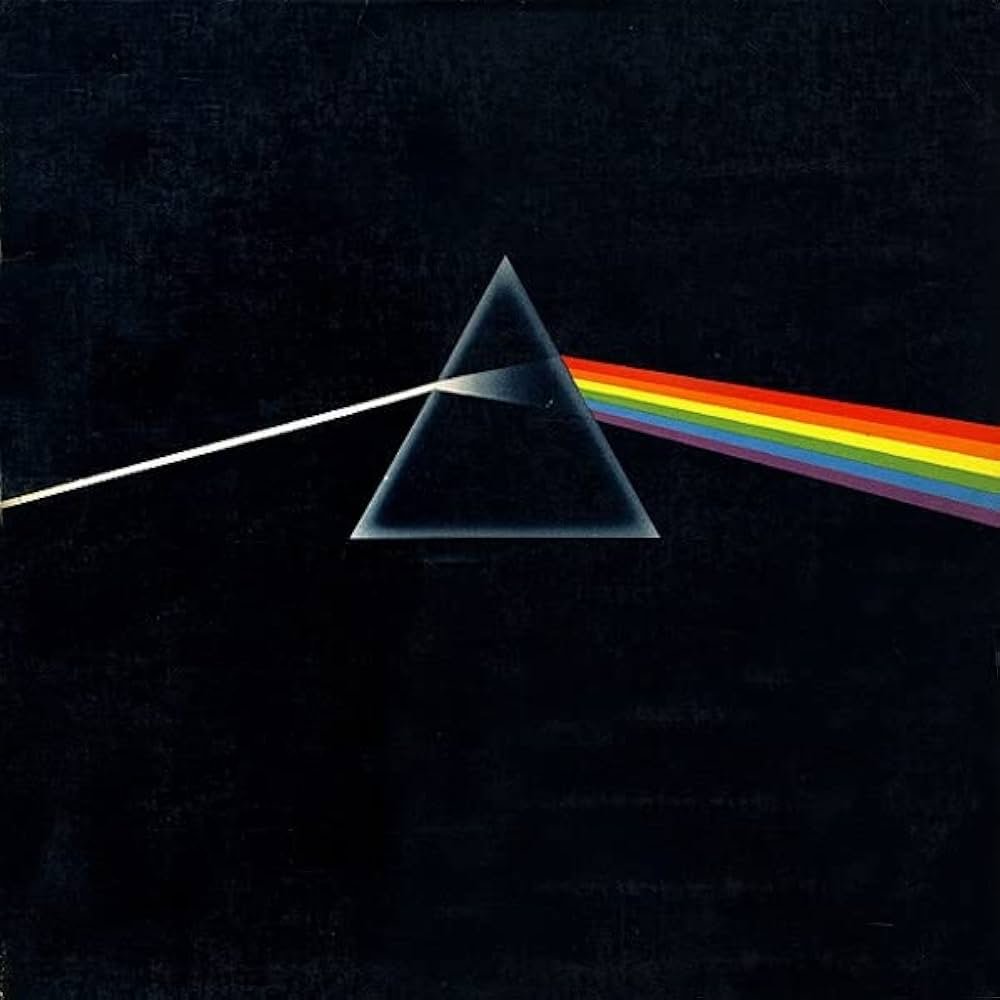
2. The Dark Side of the Moon — Pink Floyd
(1973)
A slow-burn pulse of existential dread and cosmic calm. Pink Floyd fused analog wizardry, tape loops, and philosophical weight into one seamless orbit. It’s a lesson in sonic world-building — a record that breathes.
Without this album, there would be no: immersive live production as we know it, nor the template for atmospheric, long-form rock storytelling.
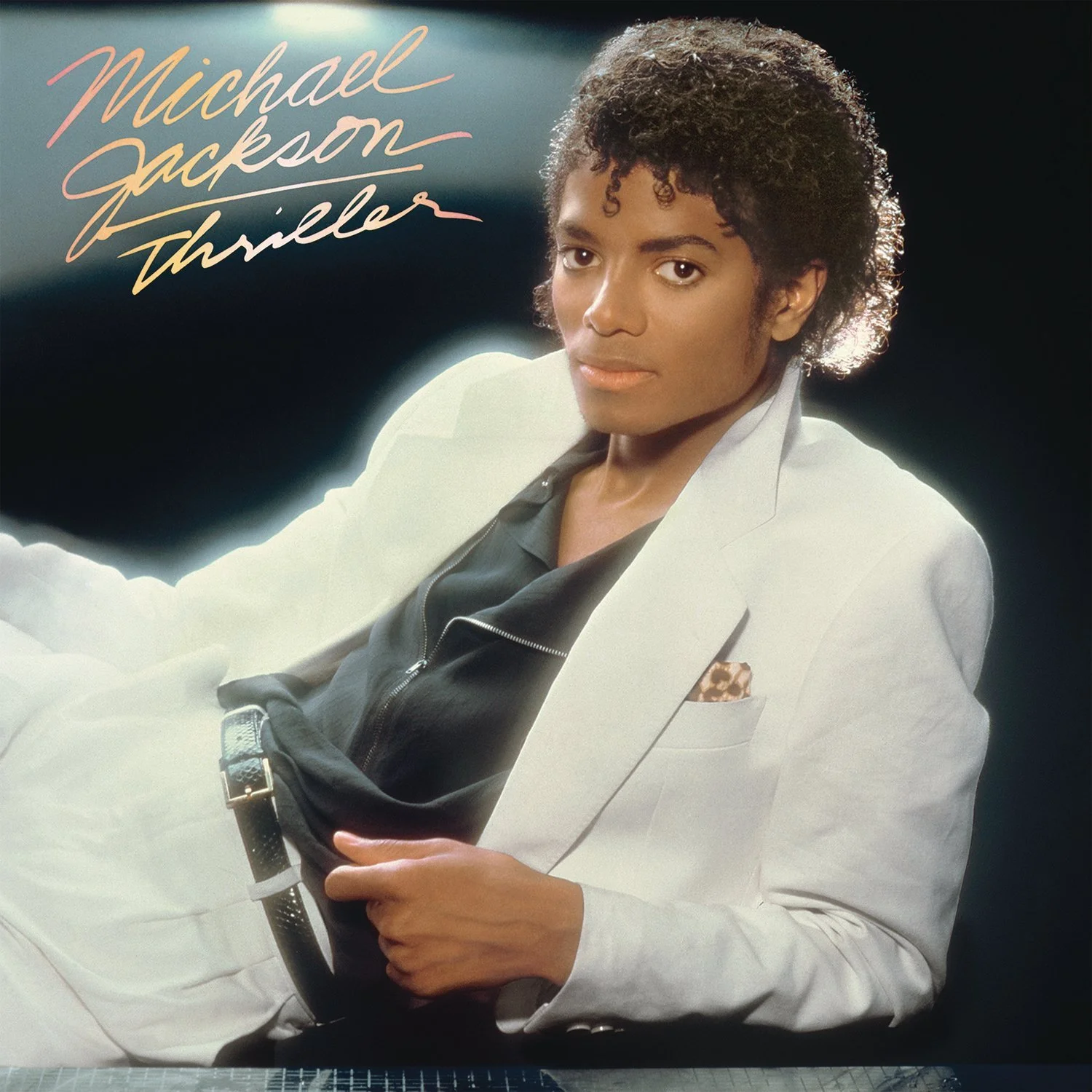
Pop, perfected and globalised. Thriller fused funk, rock, R&B and pop into a singular, airtight vision — engineered for mass connection without losing musical precision. Every track was built to translate across radios, dancefloors and cultures, setting a new standard for production, performance and reach.
Without this album, there would be no: global pop monoculture, the modern music video, crossover superstardom, or the blueprint for pop as a worldwide language.
3. Thriller — Michael Jackson
(1982)
A detonation that cracked the mainstream open. Raw emotion, punk-bred urgency, and melodic instinct collided — making the underground impossible to ignore. Nevermind didn’t just resonate; it reset an entire decade.
Without this album, there would be no: alternative-rock takeover, DIY-to-mainstream pipelines, or the cultural shift away from glam excess.
4. Nevermind — Nirvana
(1991)

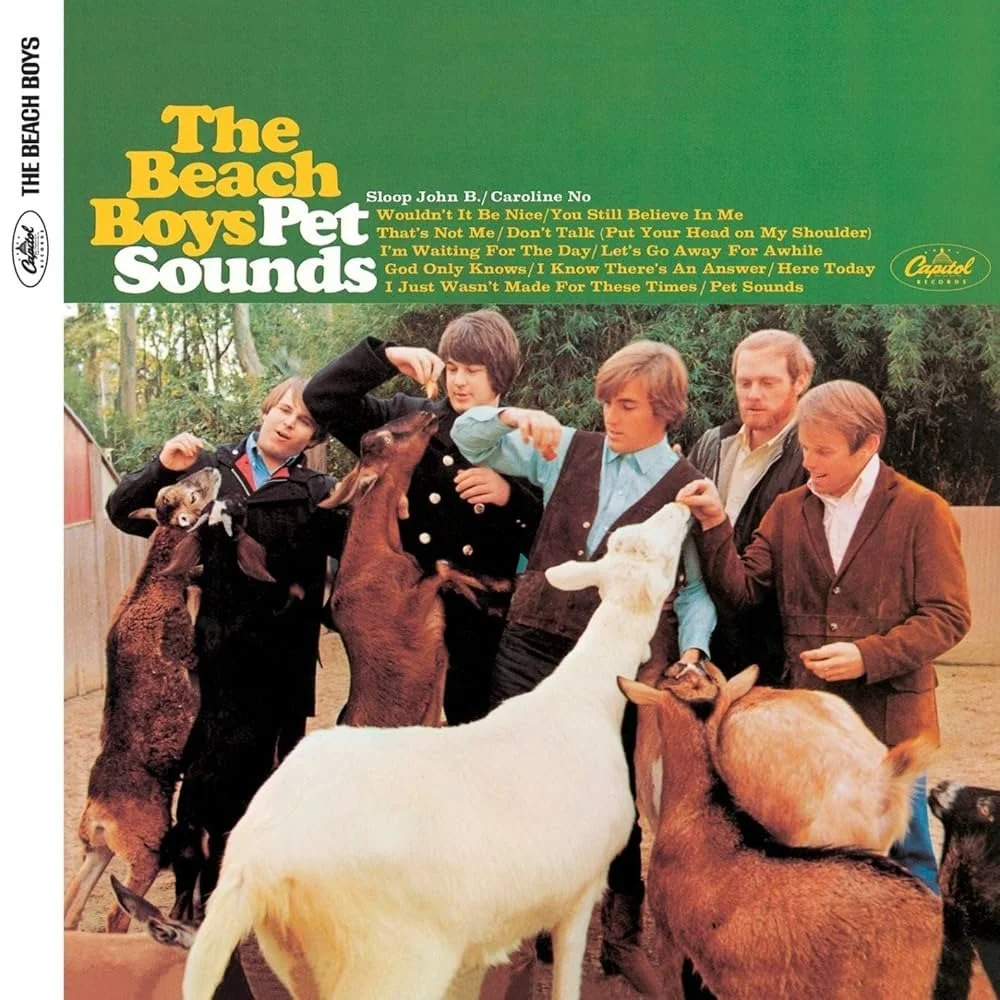
A fragile, luminous dream. Brian Wilson built a chamber of harmonies, unconventional instrumentation, and emotional clarity that felt both intimate and otherworldly. It’s pop as architecture — delicate, deliberate, deeply human.
Without this album, there would be no: modern baroque pop, studio-driven experimentation in mainstream music, or half the harmonic vocabulary of today’s indie world.
5. Pet Sounds — The Beach Boys
(1966)
6. Die Mensch-Maschine — Kraftwerk
(1978)
A manifesto disguised as an album. Die Mensch-Maschine distilled Kraftwerk’s vision of the future into precise rhythm, synthetic clarity and an aesthetic that felt closer to architecture than rock. Its influence is immeasurable: techno, electro, hip-hop, synth-pop — all trace a line back to these meticulously built patterns.
Without this album, there would be no: Detroit techno, electro’s blueprint, early hip-hop sampling foundations, or the widescreen world of electronic music as we know it.

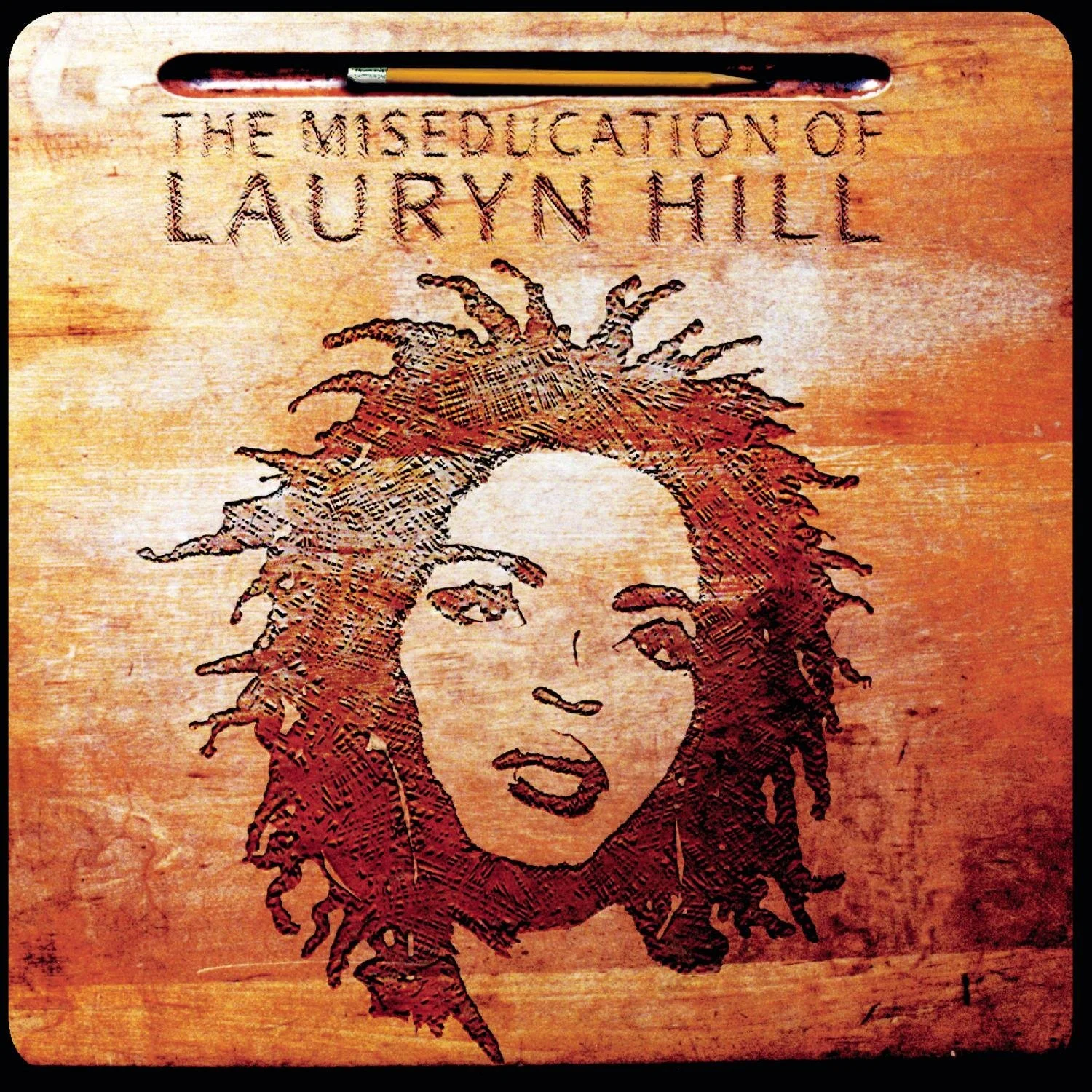
7. The Miseducation of Lauryn Hill — Lauryn Hill
(1998)
A soul-deep fusion of hip-hop, R&B, reggae, and spiritual reflection. Lauryn Hill’s delivery is both razor-sharp and tender — a balance few had ever achieved in the genre. She reframed what it meant to be a woman in hip-hop: self-possessed, lyrically fearless, and emotionally unguarded. This is a singular vision — elegant, disruptive, and culturally seismic.
Without this album, there would be no: neo-soul movement as we know it, the modern blueprint for introspective R&B, or the lineage of women who now claim space in hip-hop with full complexity and authority.
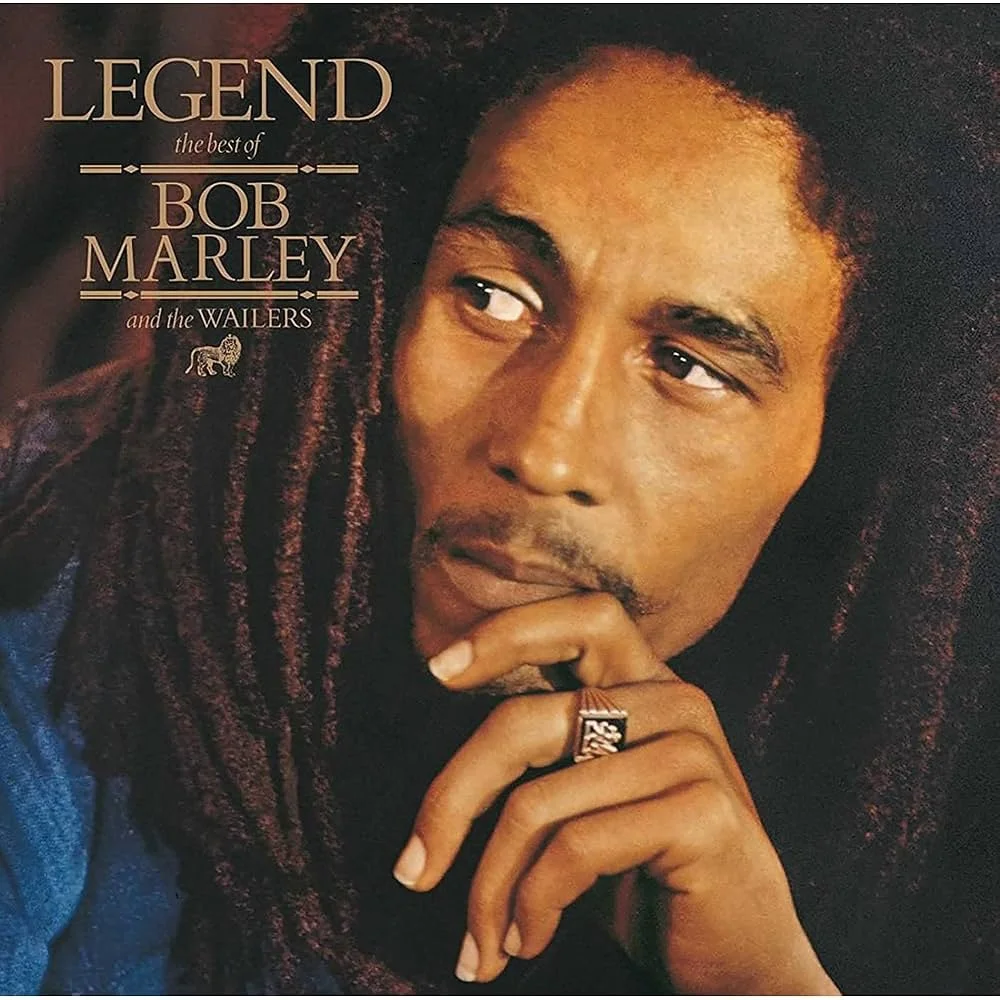
8. Legend — Bob Marley and the Wailers
(1984)
A posthumous gateway that turned Marley from icon to global symbol. Legend distilled the warmth, protest, and spiritual uplift of reggae into a universally understood language. It became a cultural passport.
Without this album, there would be no: worldwide reggae presence, mainstream recognition of Jamaican music, or the global archetype of music as peace-driven resistance.
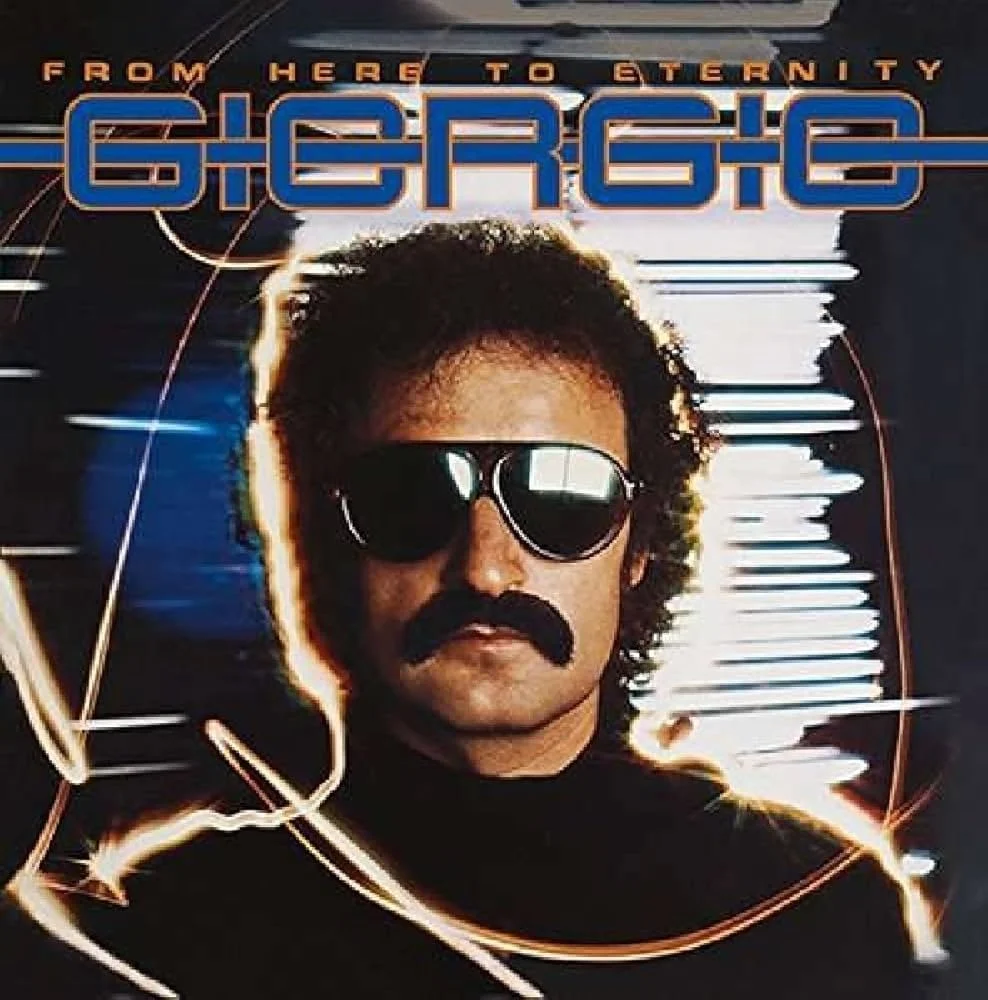
A turning point for electronic dance music. With From Here to Eternity, Moroder moved beyond disco into something sharper, sleeker and entirely new — a fully synthesised, sequenced pulse that anticipated the future before most people knew it was coming. This was the moment the dancefloor became electronic, laying the foundations for house, techno and the global club culture that followed.
Without this album, there would be no: electronic disco, early house music, synth-driven pop, or the rhythmic DNA that shaped modern club culture.
9. From Here to Eternity — Giorgio Moroder
(1977)
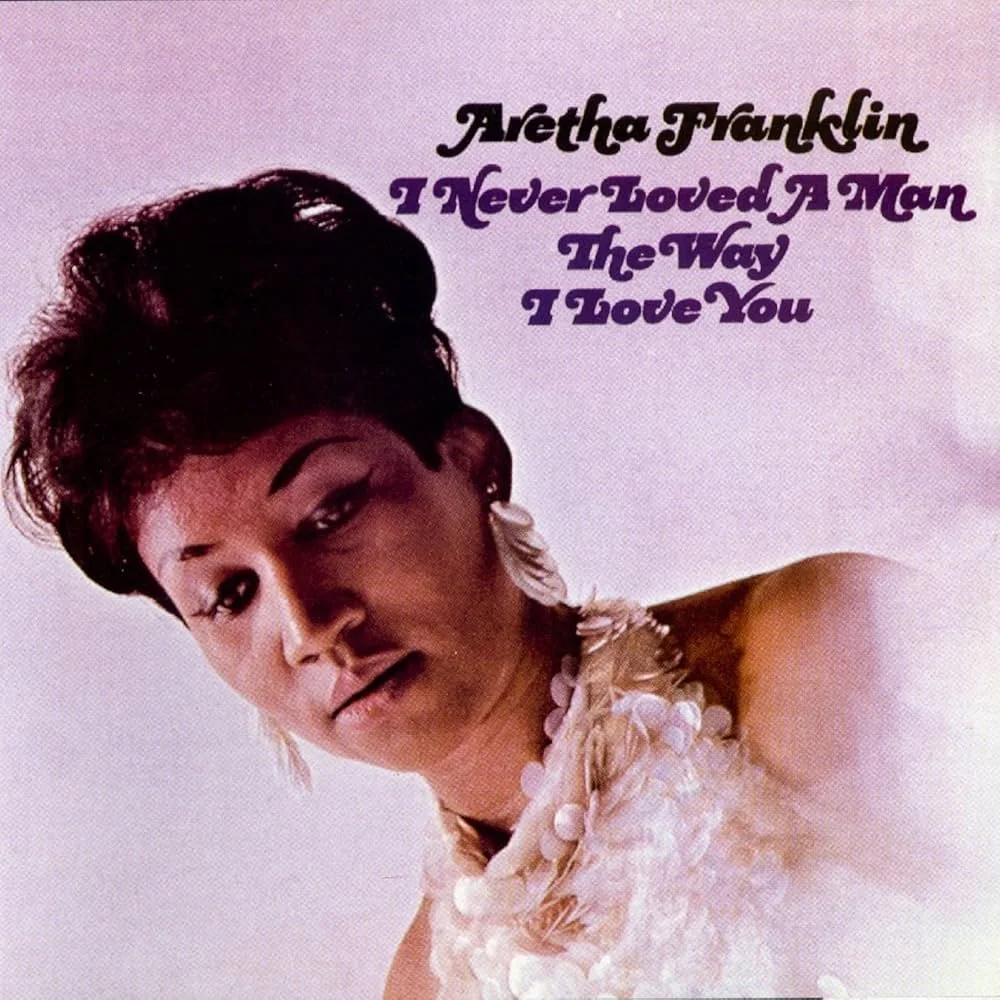
10. I Never Loved a Man the Way I Love You — Aretha Franklin
(1967)
A voice unbound. Aretha merged gospel fire, R&B groove, and unshakeable conviction into a debut that felt like a declaration. It’s soul in its purest form — powerful, lived-in, and liberating.
Without this album, there would be no: soul-music vernacular, the modern blueprint for vocal supremacy, or the intersection of music and civil-rights empowerment.