
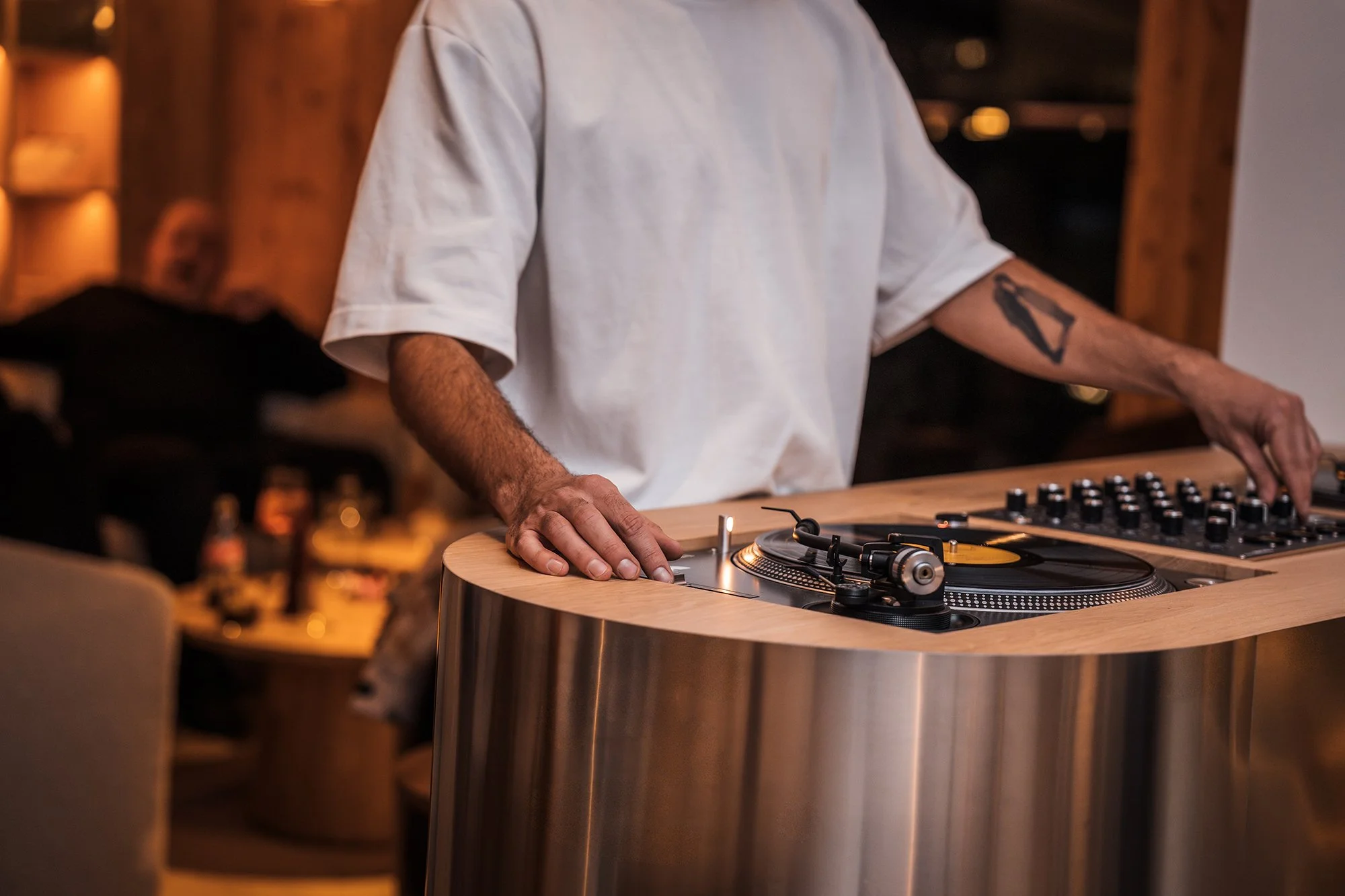
LISTENING BARS IN ITALY - A NEW CULTURAL CHAPTER
The term “Listening Bar Italy” is beginning to appear in conversations about contemporary hospitality. It is often described as a trend — an import from Tokyo, a niche concept for audiophiles, a reaction to overstimulated nightlife. But framing it as a trend misses the point.
What is emerging in Italy is not imitation. It is translation.
A listening bar is not simply a bar that plays vinyl. It is a space designed around the deliberate act of listening. Sound is treated as a structural element, not background decoration. The room is calibrated for clarity. The music is curated with intention. Volume is controlled. Transitions between records are considered. Silence has a role.
In most hospitality environments, music supports the atmosphere. In a listening bar, music is the atmosphere.
ORIGINS & ADAPTATION
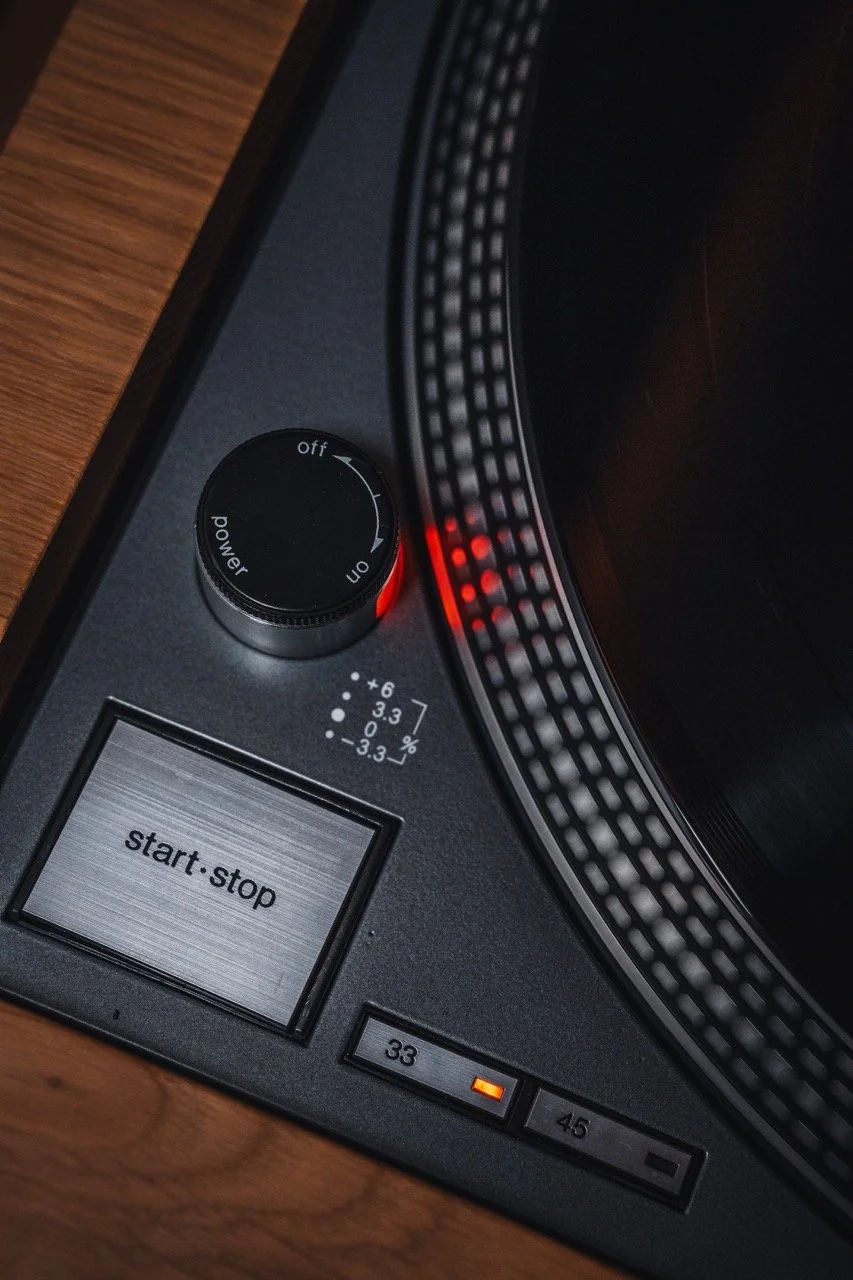
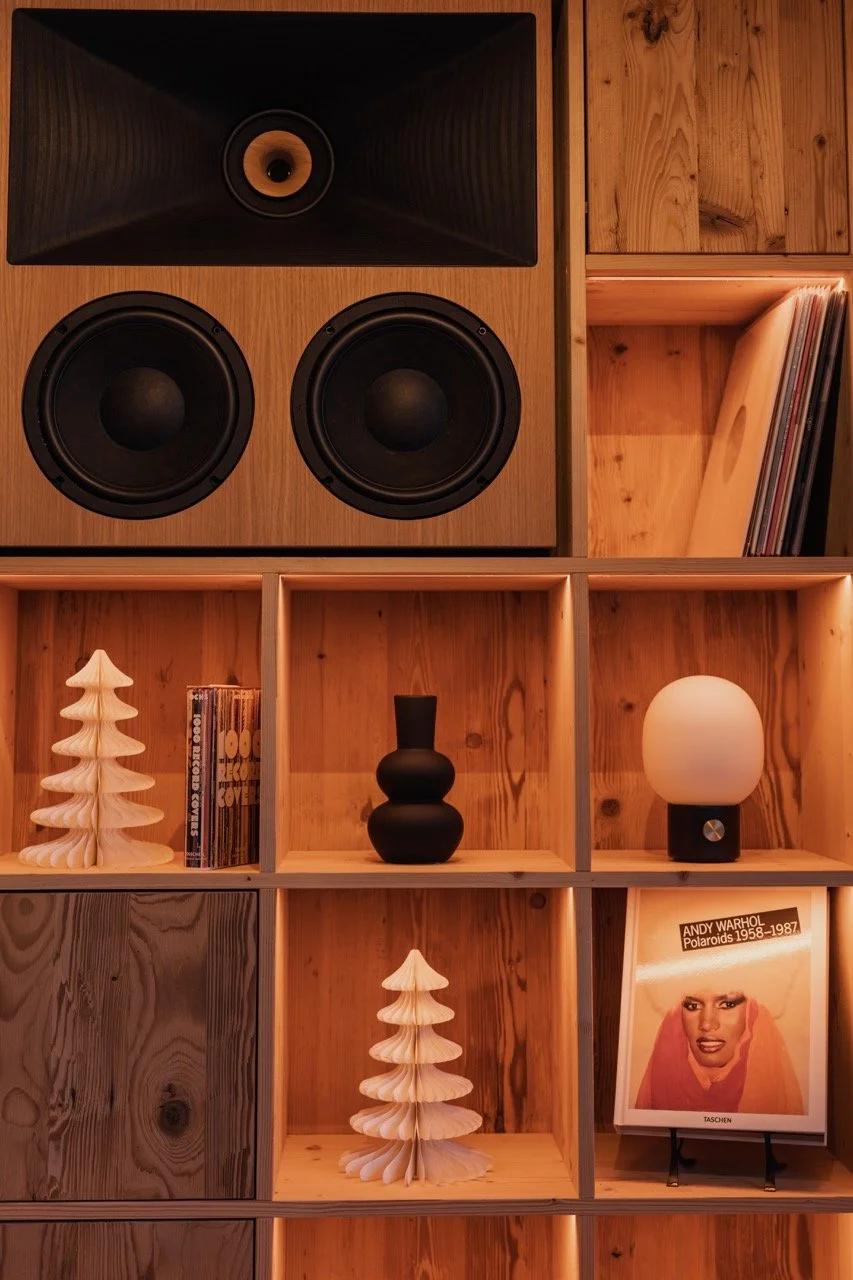
The contemporary listening bar movement traces its roots to Japan’s jazz kissa culture — intimate rooms built around high-fidelity sound systems and serious record collections. These spaces prioritised listening as a focused activity, often closer to a cultural ritual than a night out.
As the concept travelled internationally, it evolved. In Europe and North America, listening bars became hybrids: part cocktail bar, part sound laboratory, part design statement.
In Italy, the adaptation has been quieter but arguably more organic.
Italy does not need to invent ritual. It already has it.
WHY THE CONCEPT FITS ITALY
Italian social culture is structured around pause and presence. Espresso at the counter. Aperitivo before dinner. Long meals that stretch into evening. Conversation as a central form of leisure.
A listening bar fits naturally within this rhythm. It does not demand escalation; it encourages attention. It aligns with a culture that values craft, proportion, and aesthetic coherence.
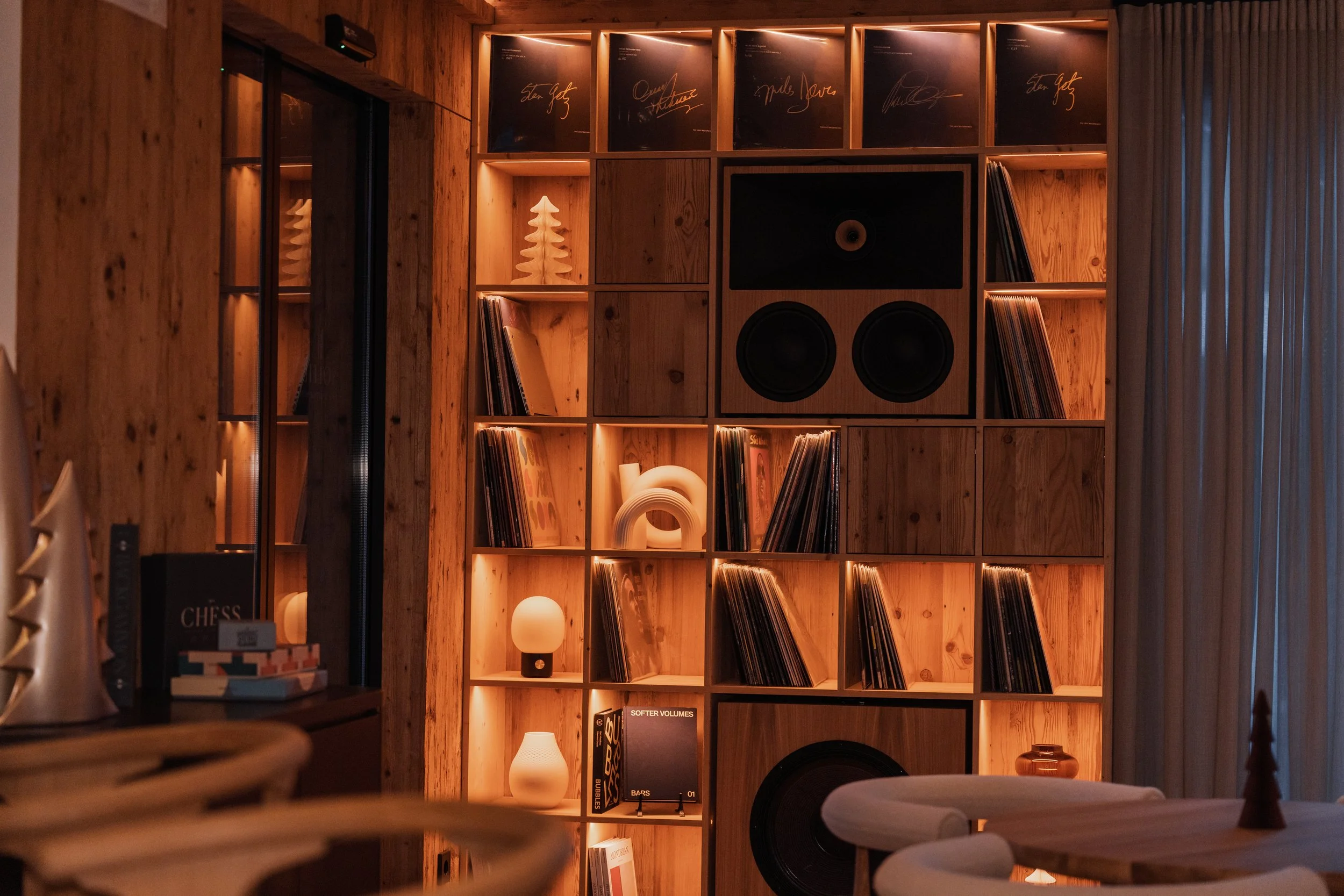
There is also a deeper compatibility with Italian design culture. In Italy, objects matter. Materials matter. The relationship between form and function is taken seriously — whether in furniture, tailoring, architecture, or tableware. A well-positioned speaker system, properly tuned to a room’s acoustics, is not a technical detail. It is part of the spatial composition.
The room itself becomes an instrument.
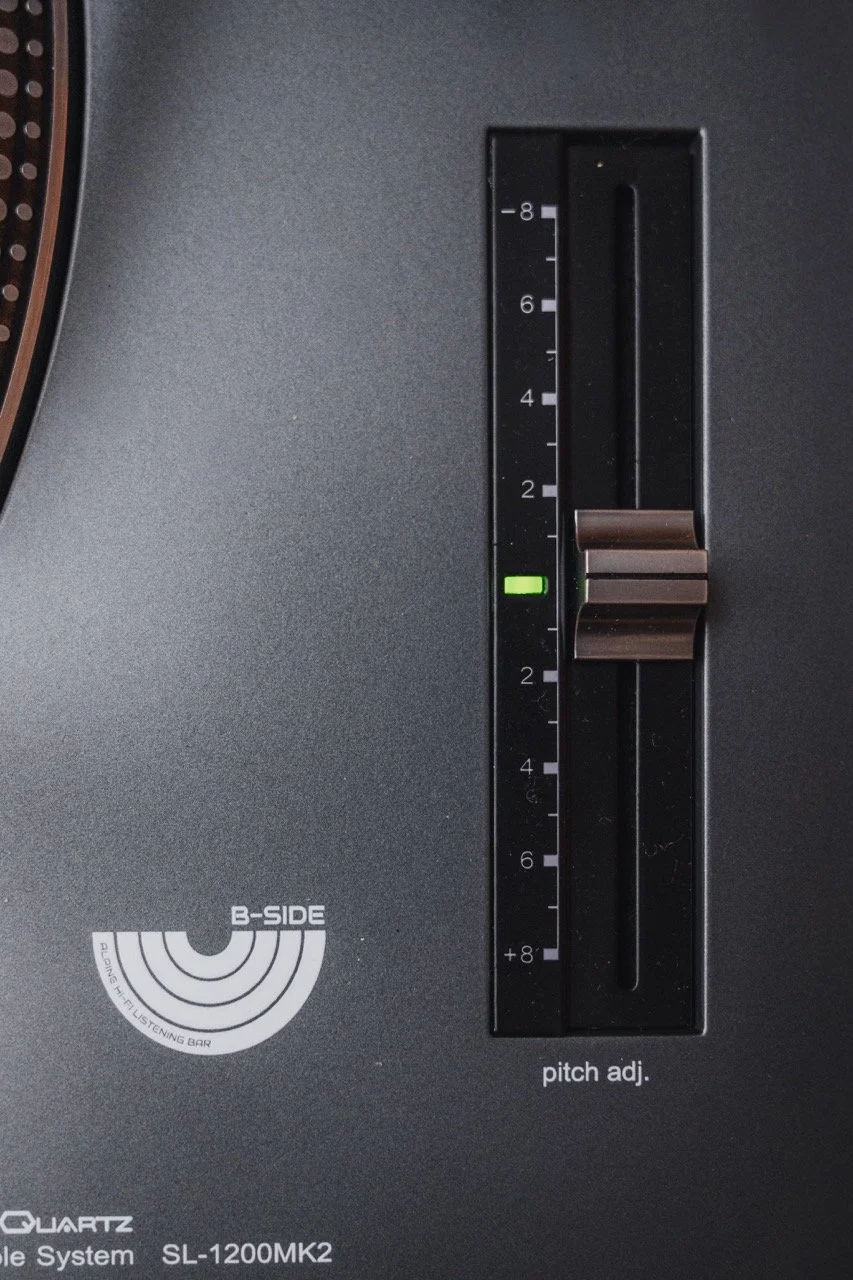

SOUND AS ARCHITECTURE
A genuine listening bar is constructed around acoustic logic. Ceiling height affects dispersion. Wood softens frequencies; stone reflects them. Symmetry influences stereo imaging. Speaker placement determines whether the sound feels immersive or aggressive.
Volume is restrained not because the experience is timid, but because clarity requires discipline. The objective is not impact; it is fidelity.
This approach distinguishes a listening bar from a conventional cocktail bar. In most venues, music must compete with conversation. In a listening bar, conversation adjusts to the music. The sound does not dominate the room; it structures it.
The result is an atmosphere that feels controlled without being rigid.
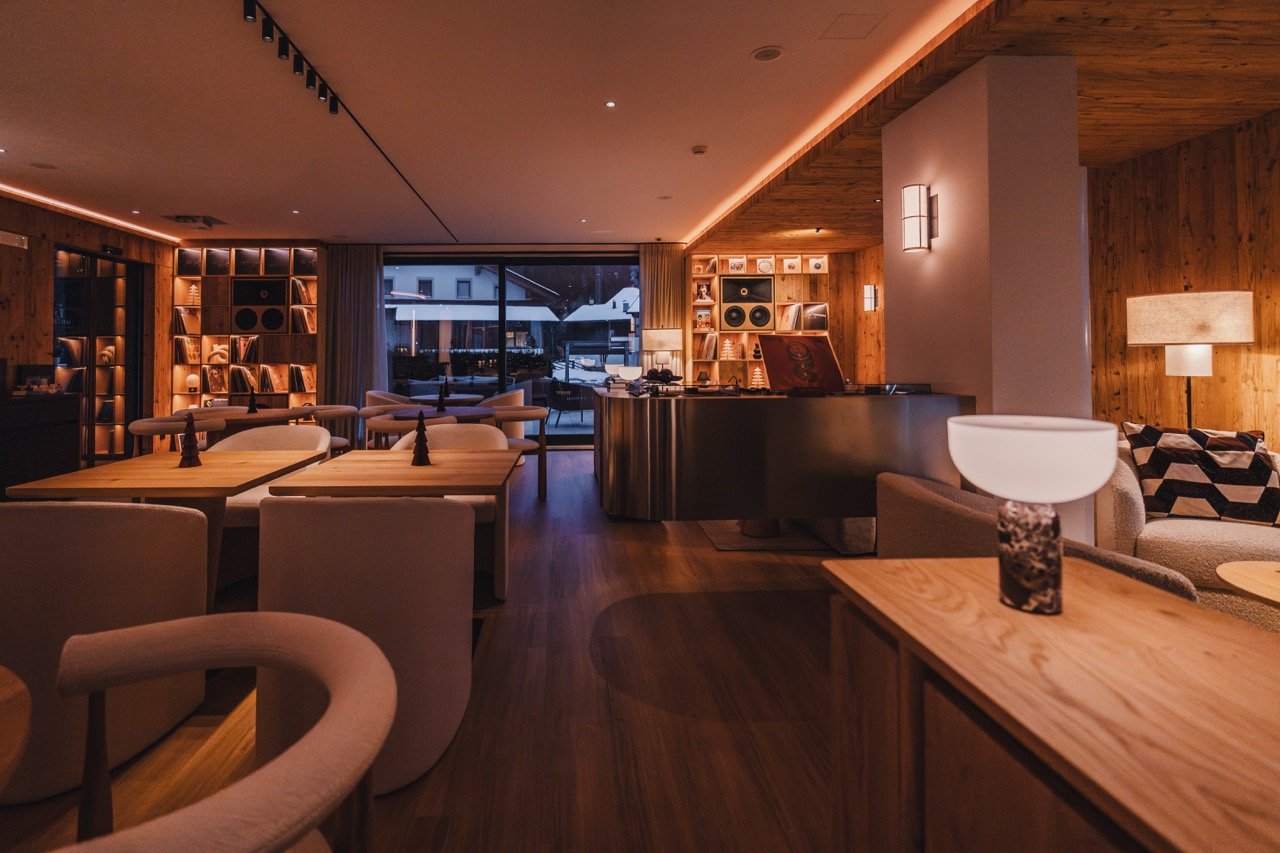
THE SOCIAL DIMENSION
Modern listening habits are predominantly solitary. Streaming platforms personalise playlists. Headphones isolate. Algorithms anticipate mood before we articulate it.
Listening bars reverse this logic. They create a shared auditory experience. Everyone in the room hears the same track at the same moment. This synchronisation changes perception. It alters the pace of conversation. It creates subtle collective awareness.
In Italy, where social interaction remains physical and communal, this shared listening has particular resonance. It reinforces the idea that nightlife does not need spectacle to feel significant. Attention itself becomes the luxury.
A CULTURAL SHIFT - NOT A TREND
The growing interest in Listening Bar Italy reflects a broader cultural shift. Contemporary hospitality is reassessing excess — excessive volume, excessive stimulation, excessive distraction. In its place is a return to control, proportion, and intention.
Listening bars are not anti-nightlife. They are anti-noise.
They suggest that evenings can be shaped around quality rather than quantity. That sound can be curated rather than automated. That atmosphere can be designed rather than improvised.
In Italy, this is less a disruption than a continuation. The listening bar sits comfortably within a lineage of spaces built for measured pleasure: cafés, wine bars, aperitivo rooms, salons. What is new is the centrality of sound — treated with the same seriousness traditionally reserved for design, cuisine, and craft.
Listening Bar Italy is therefore not a borrowed concept. It is a natural evolution of existing cultural values.
And it signals something larger: a renewed belief that listening — attentive, collective, intentional — remains worth building a room around.