
A NEW INTERIOR LANGUAGE FOR THE ALPS
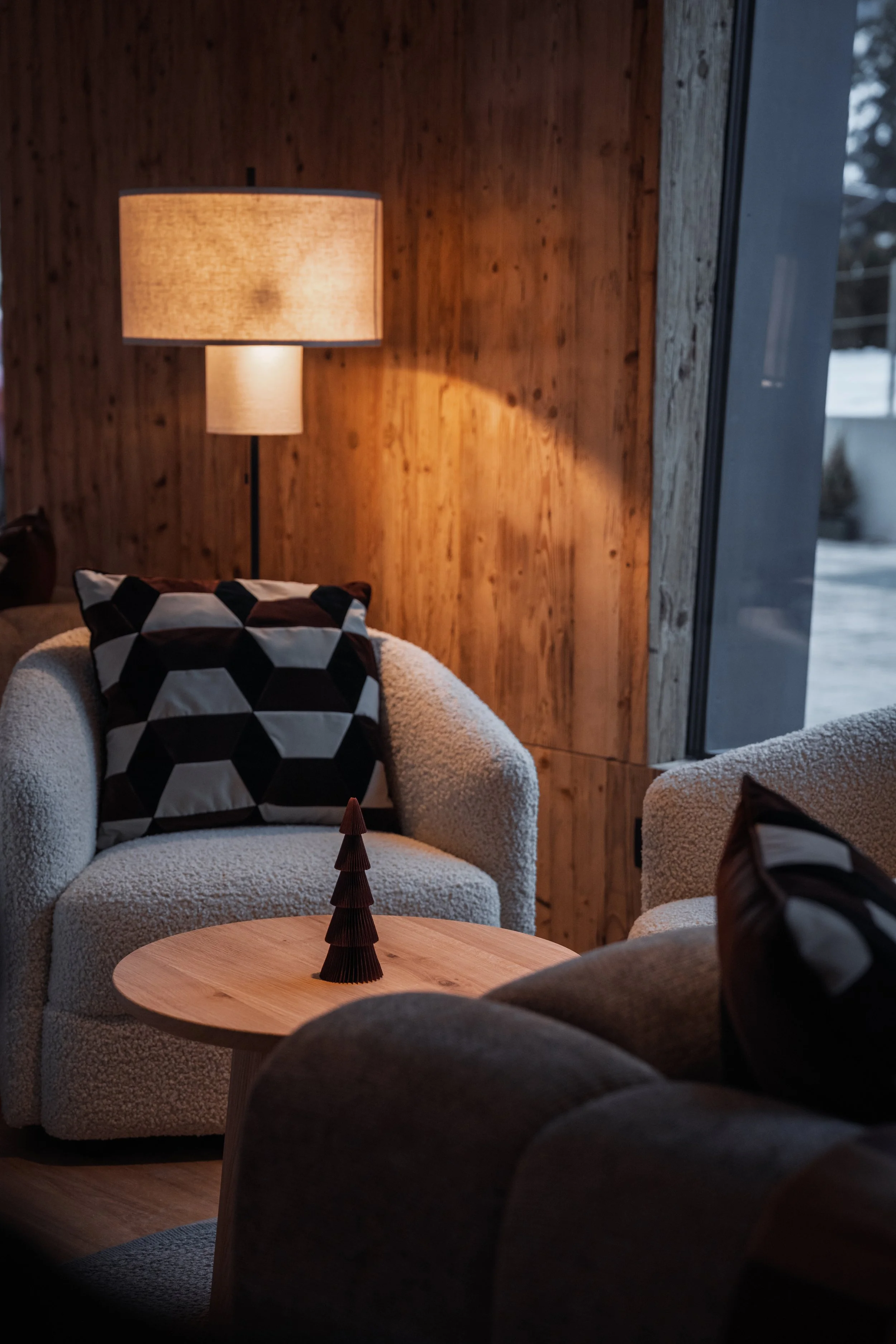
The Alps have long been defined by a recognisable interior aesthetic. Heavy timber, decorative detailing, and nostalgic references have shaped the visual identity of mountain hospitality for decades, creating spaces that often rely on familiarity rather than evolution. At B-Side, the intention was to approach the alpine interior differently.
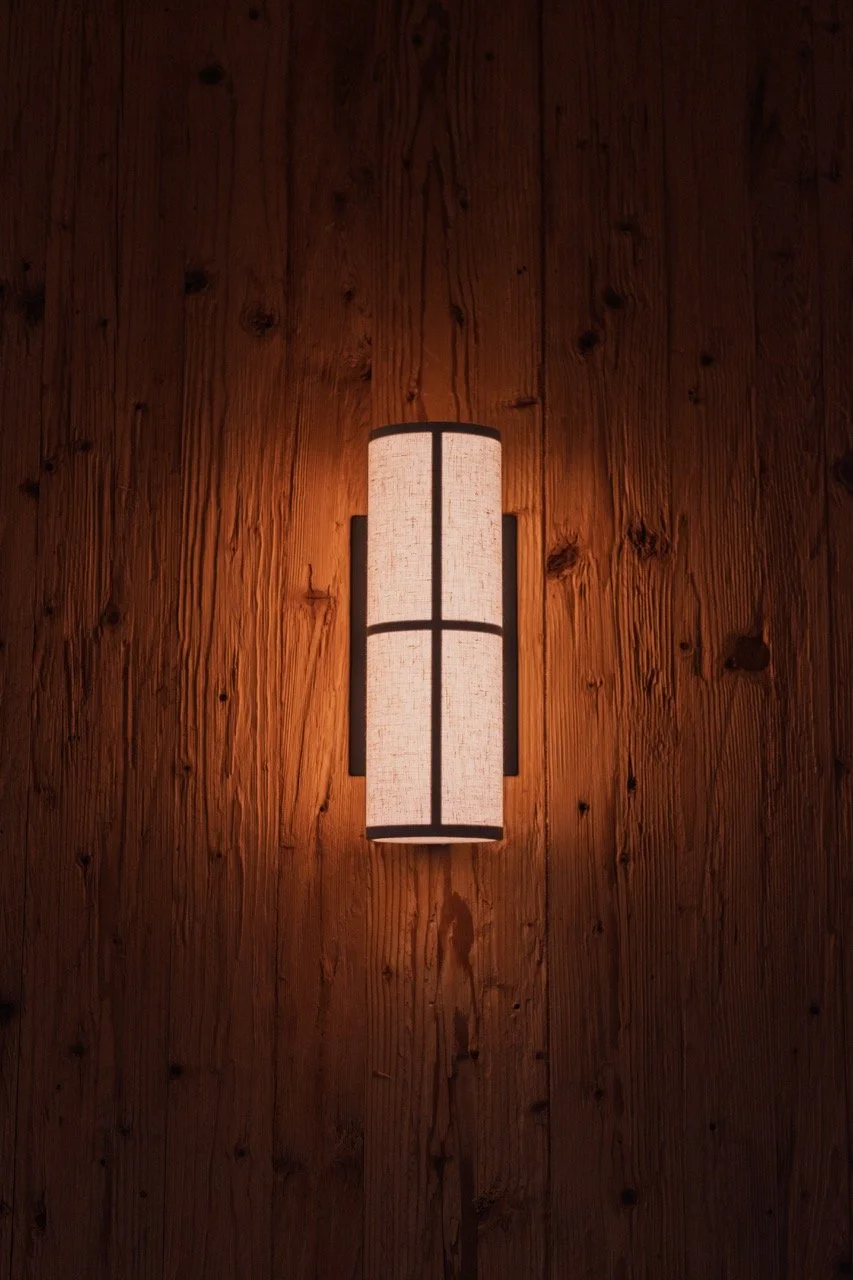
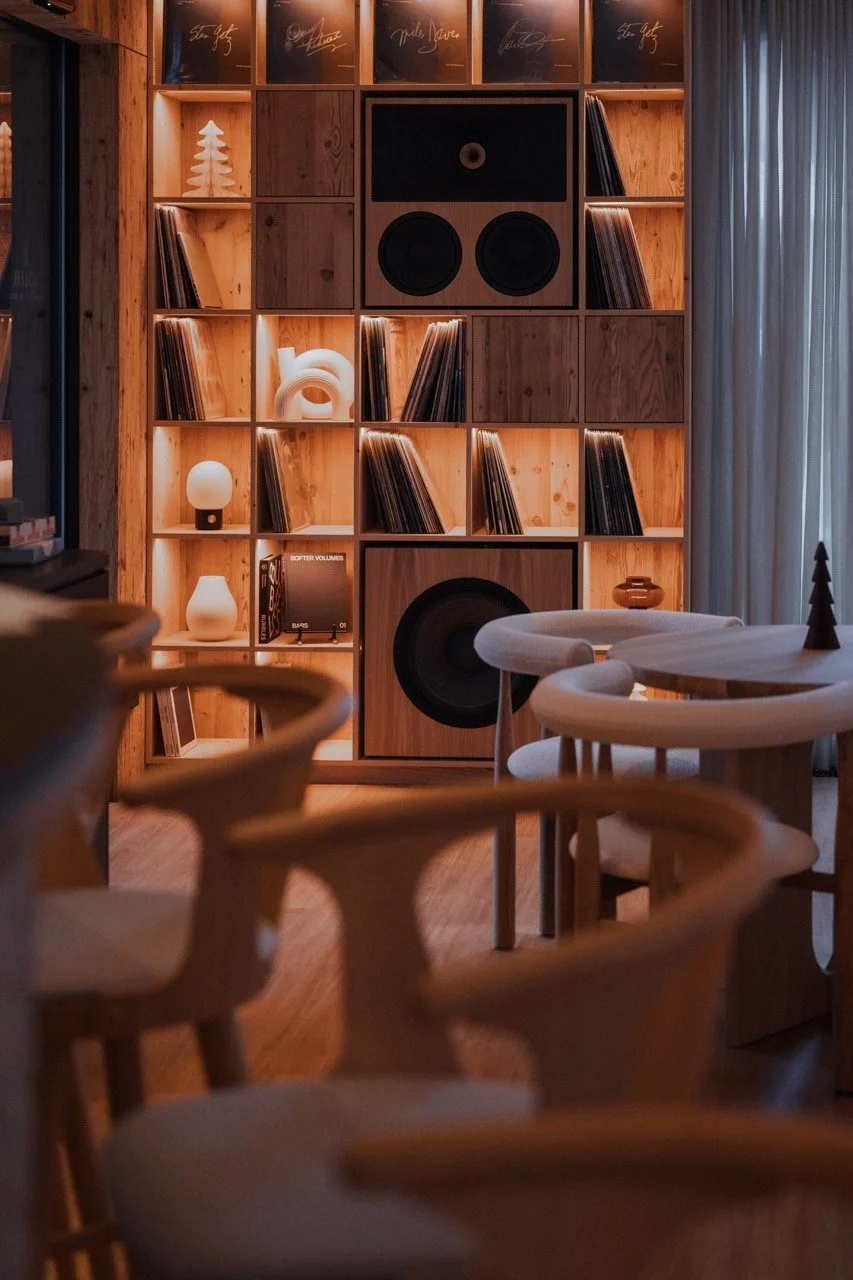
Rather than recreating the traditional chalet, the project explores how contemporary design can exist meaningfully within a mountain context. The aim was not to reject the identity of the Alps, but to rethink how it can be expressed today through materiality, proportion, atmosphere, and restraint. In this sense, B-Side reflects a broader shift taking place across alpine hospitality, where spaces are beginning to move beyond inherited clichés and toward more progressive, culturally connected forms of design.
Designed by Design Director Andrea Guarino of BCOME.Studio, in colleboration with the hotel executive team, the space was conceived as a contemporary alpine environment shaped through clarity rather than decoration. The design language is intentionally restrained, allowing materials, textures, and finishes to define the atmosphere of the room without excess or visual noise.
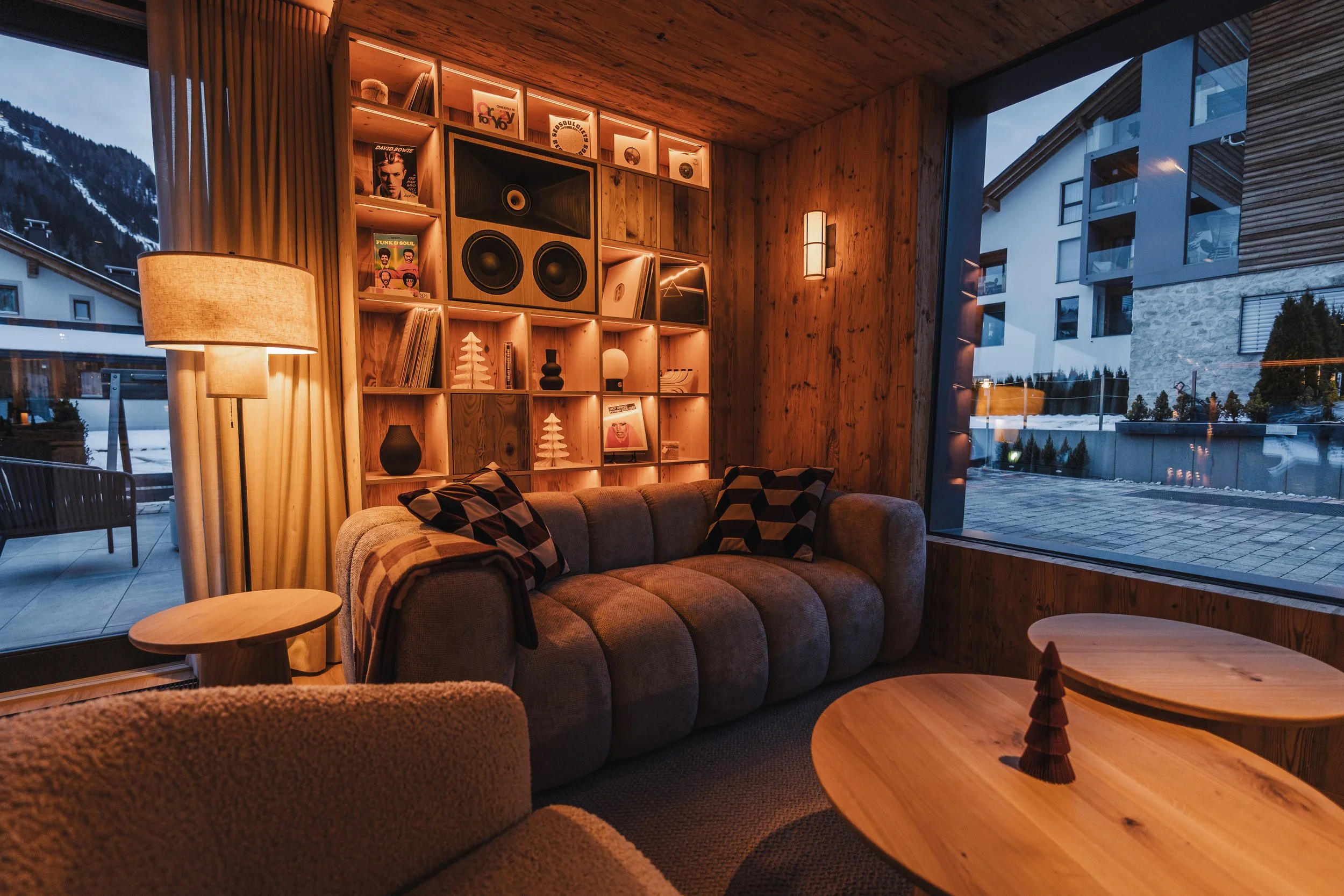
Material selection plays a central role in this approach. Rather than treating materials as decorative references to the mountains, they are used with purpose and precision. Wood and stone remain fundamental to the identity of the space, but their application is controlled and refined. Surfaces are matte, tactile, and understated. Texture becomes more important than ornament, and atmosphere is created through balance rather than density.
The project also establishes a dialogue between international contemporary design and regional craftsmanship. Pieces from Cristina Lundsteen, New Works, Audo Copenhagen, and Linie Design are integrated throughout the space, contributing to a broader design language that extends beyond the immediate alpine context. These are complemented by bespoke elements produced by local artisan Möbel Ladinia, whose work grounds the project within the region and reinforces the importance of local knowledge and craftsmanship.
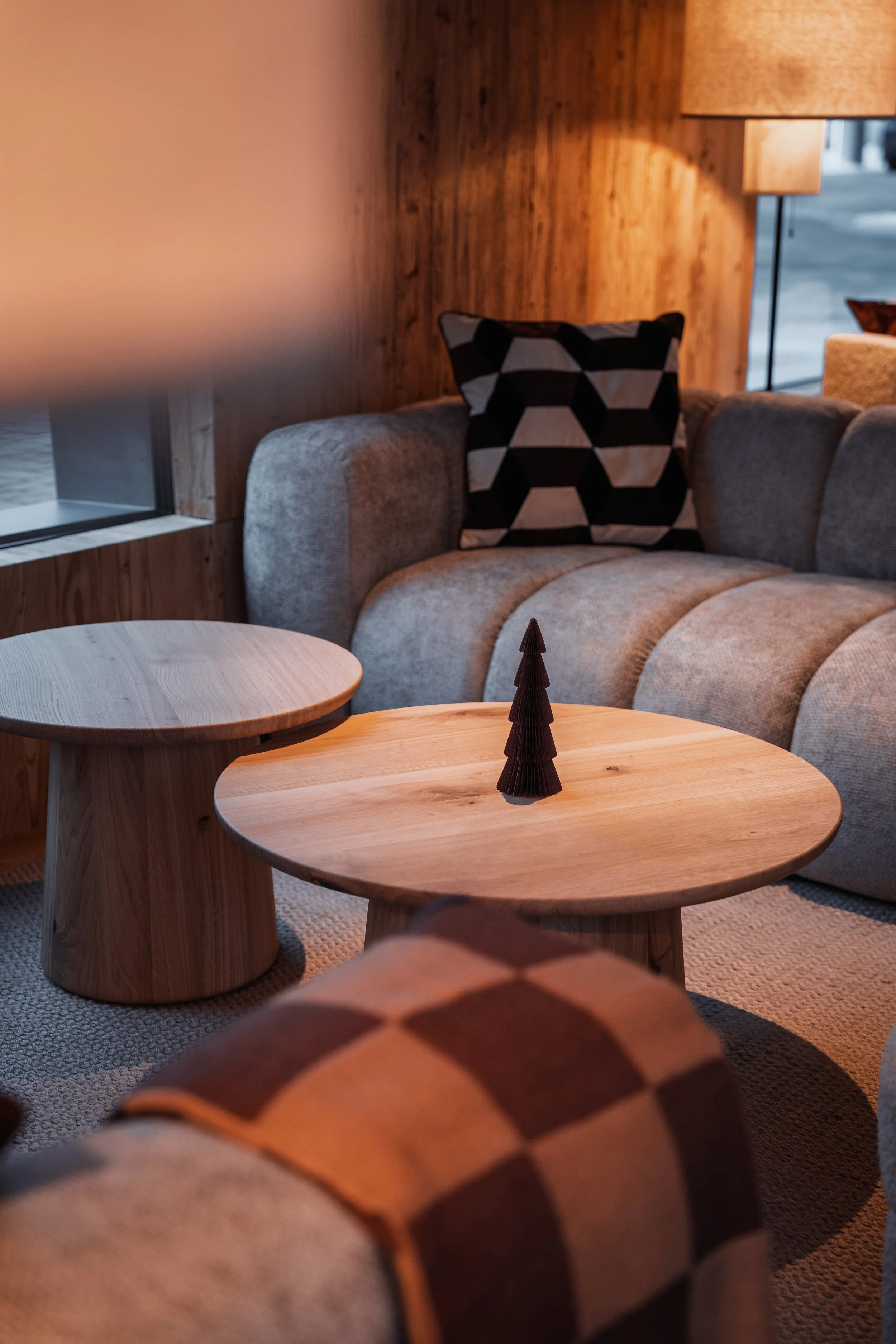
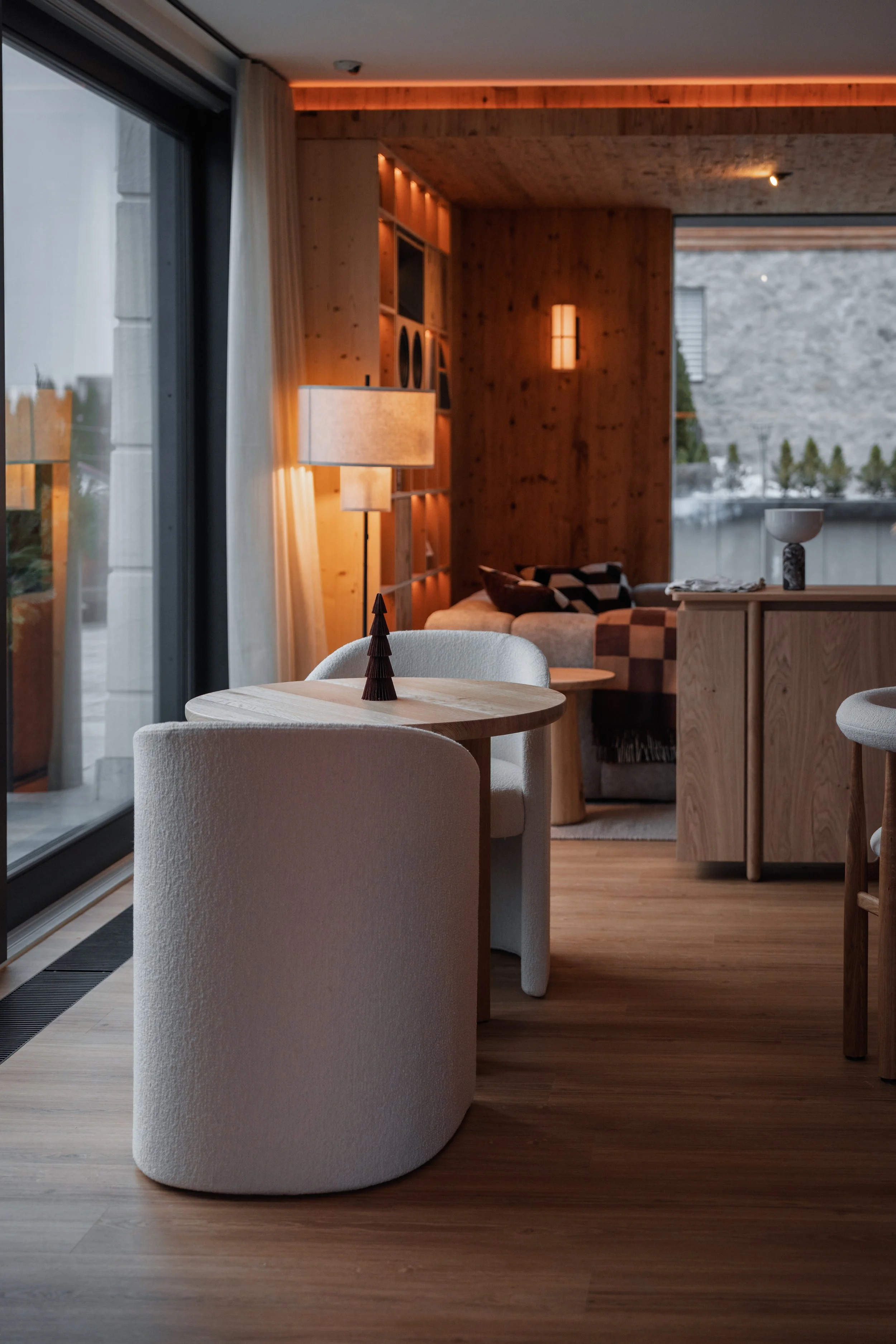
This relationship between global and local design was never approached as contrast, but as coexistence. The intention was to create an interior that feels rooted without becoming referential, contemporary without feeling detached from its surroundings. Every object within the room is selected in relation to proportion, tone, finish, and how it contributes to the wider composition of the space.
Furniture placement and spatial distribution were considered with the same level of attention. The room is designed to feel open and composed, avoiding overcrowding in favour of a calmer spatial rhythm. Seating is arranged to encourage intimacy and presence while maintaining a collective atmosphere throughout the room. This creates an environment that supports extended periods of time spent within the space, rather than rapid consumption or constant movement.
Colour is deliberately reduced. The palette remains soft and controlled, allowing natural materials and changes in light to shape the character of the interior throughout the day and evening. This restraint creates a sense of calm that defines the overall experience of the room. Nothing competes unnecessarily for attention. Instead, the design encourages a slower form of engagement, where atmosphere is built gradually through material relationships, light, and proportion.
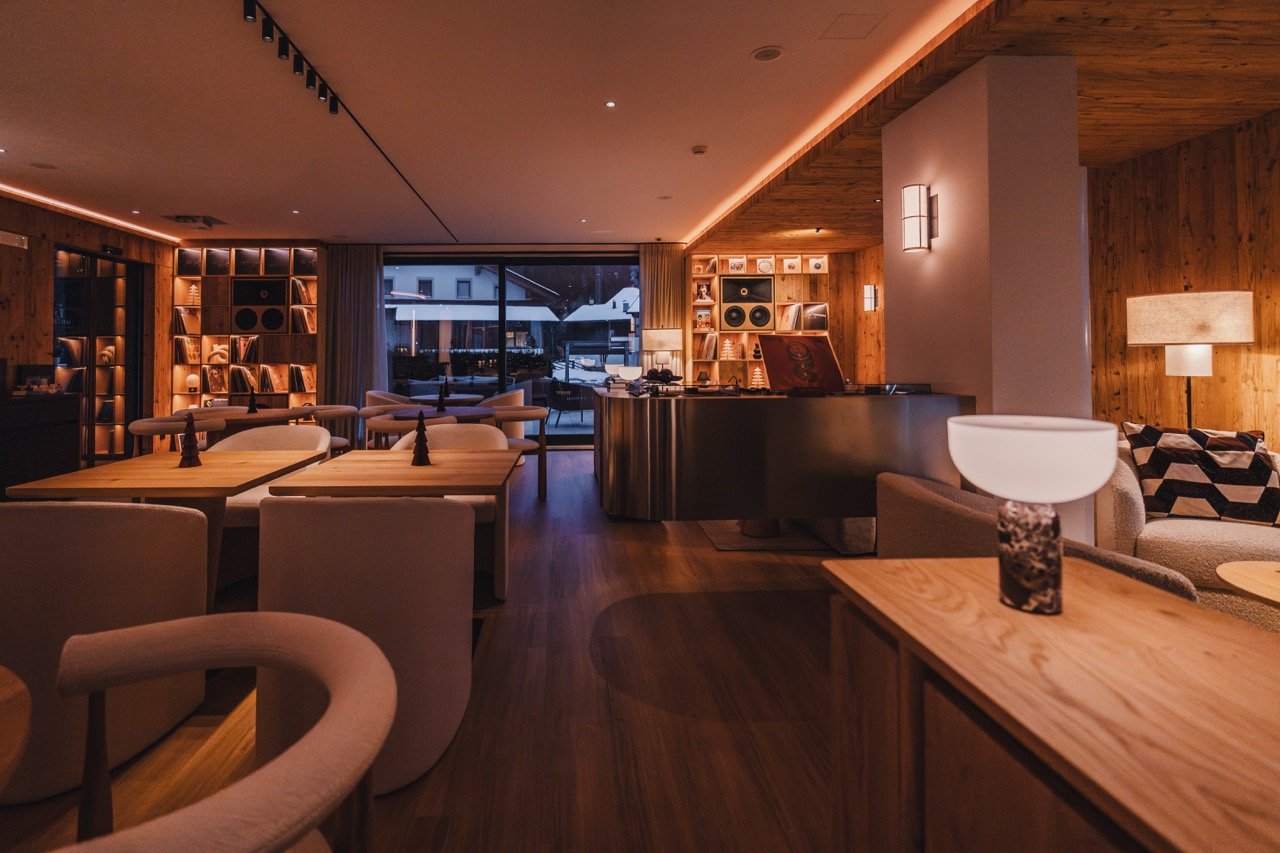
Central to the project is the idea of redefining natural comfort within the alpine environment. At B-Side, comfort is not understood through decorative familiarity or nostalgic references, but through atmosphere, proportion, tactility, and sensory balance. Soft textures, restrained finishes, controlled lighting, and a reduced palette work together to create a calmer spatial experience. The intention is not to overwhelm the guest visually, but to allow the room to feel composed, immersive, and intuitively comfortable over time.
B-Side ultimately represents a different direction for alpine hospitality design. One that acknowledges the heritage of the mountains without becoming trapped within its visual conventions. It proposes a new interior language for the Alps, one defined by clarity, material honesty, and contemporary cultural relevance. In doing so, the project reflects an evolving alpine landscape, where hospitality spaces are increasingly becoming places of design, culture, and experience, rather than simply destinations defined by tradition alone.